Pyrenean earthnut
Conopodium pyrenaeum
Description
Pyrenean earthnut (Conopodium pyrenaeum) is a perennial herbaceous plant belonging to the Apiaceae (carrot or parsley) family. This species is primarily noted for its edible underground tubers, which are valued for their nutty, starch-rich taste, often compared to chestnuts, making them an interesting niche crop for specialized agricultural production.
The plant is native to the mountainous regions of South-Western Europe, particularly the Pyrenees, where it thrives in meadows and light woodlands. Its natural range indicates a preference for temperate climates that are free from extreme summer heat, requiring consistent moisture levels to support the development of its tuberous root system throughout the growing season.
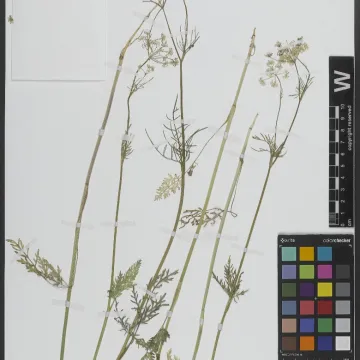
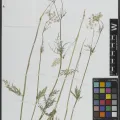
Botanically, Conopodium pyrenaeum is characterized by a central, globose tuber that serves as a storage organ for the plant. The foliage consists of finely divided, fern-like leaves, while the flowering stems produce white umbels typical of the celery family. It goes through a cycle of dormancy during which the plant sheds its aerial parts, re-emerging from the tuber in the spring.
Cultivation requires well-drained, fertile, and slightly acidic or neutral soils to ensure optimal tuber growth. The agricultural management must prioritize soil aeration to prevent tuber rot. Due to the plant's delicate growth habit in the early stages, weed control is critical to prevent competition for light and nutrients. Standard practices include:
- Preparing fine-textured seedbeds.
- Providing consistent, moderate irrigation.
- Monitoring for soil pests that target tubers.
- Ensuring proper crop rotation to minimize soil-borne pathogens.
The main commercial and subsistence value lies in the tubers, which can be harvested when the foliage dies back. Diseases and pests are generally similar to those affecting other Apiaceae, including various fungal leaf spots and root-feeding larvae. Maintaining soil health and implementing preventive sanitary measures remain the most effective strategies for long-term production success.
Photo gallery