Conostegia xalapensis
Conostegia xalapensis
Description
Conostegia xalapensis is a perennial woody plant belonging to the Melastomataceae family. Known for its rapid growth, it typically takes the form of a large shrub or a small tree reaching heights of up to 8 meters. It is highly valued in tropical agroecology for its role as a pioneer species capable of rapidly colonizing disturbed habitats.
The plant originates from the tropical regions of Central and South America. Its natural range extends from Mexico down through Central America to northern South America and the Caribbean. It thrives in various environments, including forest edges, abandoned farmlands, and along roadsides, where it plays a critical role in local biodiversity.
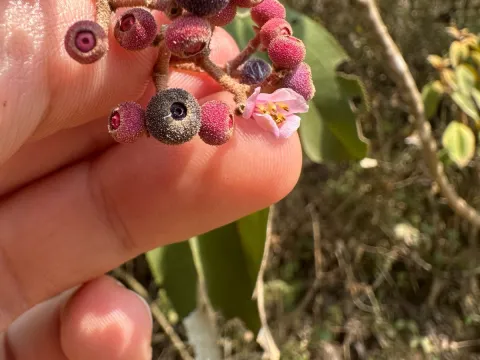
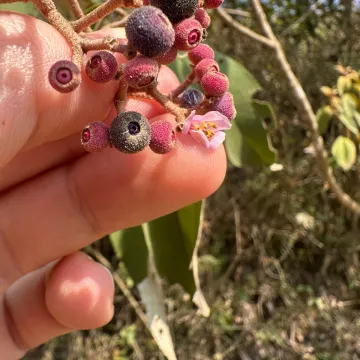
Botanically, the plant is identified by its opposite, ovate leaves featuring prominent longitudinal veins, which are characteristic of the Melastomataceae family. Its flowers grow in terminal clusters and are pollinated by diverse insects. The fruit, a small dark purple to black berry, contains numerous tiny seeds and serves as a vital food source for various bird species in the wild.
Cultivation requirements focus on a humid tropical environment. The plant performs best in well-drained, fertile, and slightly acidic soils. It is highly photophilous and requires full sun exposure to reach its maximum productivity and fruit-bearing potential. In agricultural settings, it is often utilized to prevent soil erosion and improve the structure of degraded tropical lands.
The main areas of agricultural and economic use include:
- Harvesting of edible fruits for local consumption or beverage production.
- Utilization as a fast-growing species for reforestation and ecological restoration projects.
- Implementation in agroforestry systems to provide shade and organic matter for soil enrichment.
- Use in ornamental landscaping due to its appealing foliage and prolific flowering.
Common pests and diseases affecting this species include leaf spot fungi, which thrive in excessive moisture, and sap-sucking insects like aphids or scale insects. Management strategies typically involve maintaining proper plant spacing to ensure adequate air circulation and using biological control agents to keep pest populations at a manageable level without disrupting the local ecosystem.
Photo gallery