Convolvulus fernandesii
Convolvulus fernandesii
Description
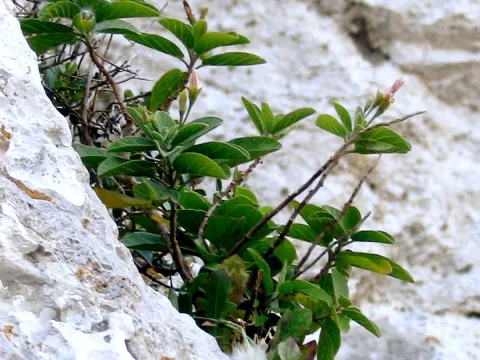
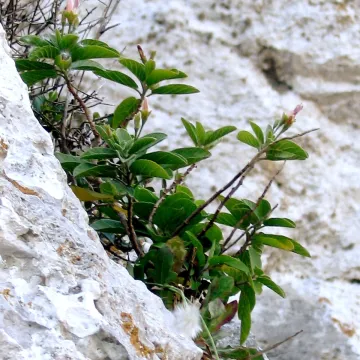
Convolvulus fernandesii is a perennial herbaceous plant belonging to the Convolvulaceae family. This species is recognized as a rare endemic plant, primarily valued by botanists for its unique evolutionary adaptations and restricted distribution within its native habitat.
The plant originates from the southwestern regions of Portugal, where it occupies specific microhabitats. Due to its status as an endemic species, its wild populations are highly sensitive to environmental changes. Cultivation of this species outside its natural range requires specialized care to replicate its native rocky and well-drained environmental conditions.
Botanically, Convolvulus fernandesii exhibits several distinctive features. It possesses a compact growth habit, often characterized by pubescent foliage that provides protection against intense solar radiation and moisture loss. The flowers are funnel-shaped, typical of the genus, and are adapted for effective pollination in Mediterranean environments.
Cultivation requirements are strict. The plant thrives in poor, rocky, or sandy substrates with excellent drainage. Soil aeration is critical to prevent the development of root diseases. It requires high light intensity and is well-suited to Mediterranean climate zones where drought tolerance is a necessary trait for survival.
The primary horticultural use of Convolvulus fernandesii is limited to specialized collections and botanical conservation programs. It is not a commercial agricultural crop. Potential pests include aphids and mites, while the most significant pathological risks are fungal infections caused by excessive humidity or poor soil ventilation, which can rapidly damage the root system of this fragile species.
Photo gallery