Flowering bindweed
Convolvulus floridus
Description
Flowering bindweed (Convolvulus floridus) is a distinctive species of perennial shrub within the Convolvulaceae family. Unlike the majority of the Convolvulus genus, which consists of sprawling herbaceous vines, this specific species develops woody stems, resulting in a robust, upright shrub structure that can reach impressive heights in its native environment.
The plant is native to the Canary Islands, where it thrives in subtropical climates. It is adapted to rocky, well-draining soils and often colonizes mountainous slopes. This evolutionary background makes the plant highly specialized, requiring specific environmental conditions that mimic its natural habitat to perform well in a cultivated setting.
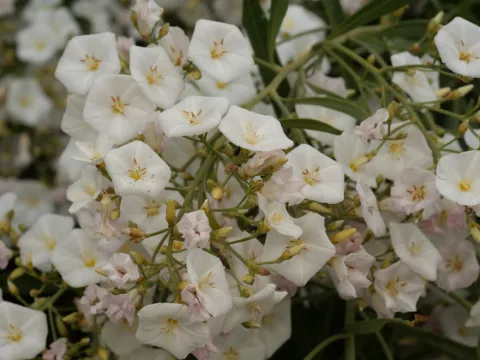
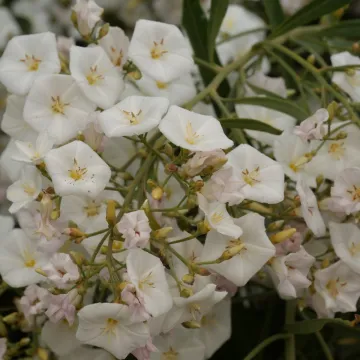
Botanically, Convolvulus floridus is recognized by its lanceolate, silver-green leaves that feature fine hairs, serving as an adaptation to minimize water loss. The flowers are typically white to pale pink, arranged in dense, showy terminal clusters that bloom during the warmer months, providing a striking visual display of trumpet-shaped blossoms.
Agronomic requirements for this species are strict, particularly regarding soil texture. It necessitates a gritty or sandy substrate with excellent drainage, as the root system is highly susceptible to rot if waterlogged. It thrives in full sun, requiring intense light for optimal flowering and structural density. Protection from frost is essential, as the species is not winter-hardy in temperate zones.
- High drought tolerance once established.
- Strong preference for alkaline to neutral soil pH.
- Requirement for minimal organic fertilizers.
- Significant aesthetic value in xeriscaping.
In terms of agricultural and horticultural utility, it serves primarily as an ornamental shrub for warm-climate gardens and landscapes. Common challenges include infestations by sap-sucking insects like aphids during the active growth phase, as well as fungal root pathogens if the drainage criteria are not met. Proper spacing and pruning are vital for maintaining the plant's health and aesthetic form.
Photo gallery