
Convolvulus pentapetaloides
Convolvulus pentapetaloides
Description
Convolvulus pentapetaloides is a herbaceous annual plant belonging to the Convolvulaceae family. While often studied within the context of wild flora, it represents a significant species in terms of botanical diversity within its endemic regions. Its structure and lifecycle reflect its adaptation to specific ecological niches.
Originating from the Mediterranean basin, this species is naturally adapted to warm, semi-arid environments. It can be found across various southern European countries and northern Africa. It thrives in open, sunny habitats and is particularly well-suited to regions characterized by low precipitation and sandy or stony soil structures.
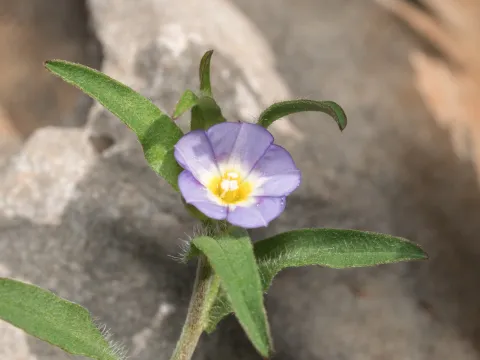
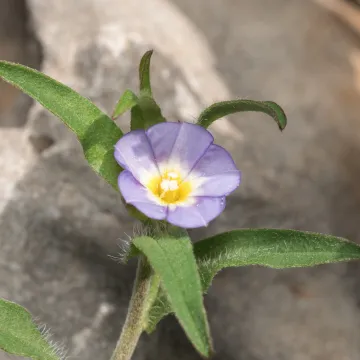
Botanically, this plant is characterized by its distinct, small-scale morphology. The flowers are typically pentamerous, giving the species its scientific name. The foliage is generally linear to ovate, with a compact growth habit that minimizes water loss. Unlike some vining members of its family, this species often maintains a more modest or prostrate stature.
Climatic requirements for Convolvulus pentapetaloides are strictly linked to its Mediterranean origin. It requires high light intensity and warm temperatures throughout its growing season. In terms of agronomy, the species is known for its ability to compete for moisture in open fields, making it a subject of interest in weed management strategies for dryland farming.
The host usage of this plant is limited, though it may serve as an indicator species for soil health in certain arid zones. Like many plants in the morning glory family, it is susceptible to specific pests and pathogens that can affect its vitality:
- Powdery mildew under high humidity conditions.
- Aphid infestations during the early stages of growth.
- Spider mites during periods of extreme heat and dryness.
- Fungal root rot caused by improper soil drainage.
Photo gallery