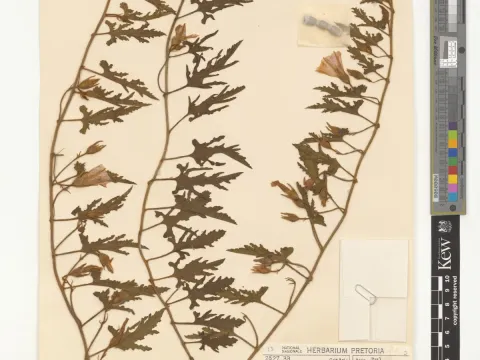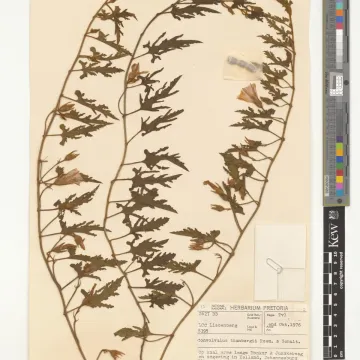

Thunberg's bindweed
Convolvulus thunbergii
Description
Thunberg's bindweed (Convolvulus thunbergii) is a perennial herbaceous plant belonging to the Convolvulaceae family. Known for its climbing growth habit and elegant funnel-shaped flowers, this species is highly valued in various horticultural contexts for its rapid growth and ability to cover vertical structures effectively.
The plant originates from Southern Africa, where it has evolved to thrive in diverse environments. Its natural habitat is characterized by a balance of seasonal rainfall and dry periods, which makes it a resilient species capable of adapting to different temperate and subtropical climates when managed correctly in a cultivated setting.
Botanically, Convolvulus thunbergii is characterized by flexible, twining stems and distinct sagittate leaves that allow the plant to maximize light capture. Its root system is relatively extensive, providing the necessary nutrients and water stability for the plant to sustain vigorous growth throughout the active growing season.
Regarding cultivation, the plant prefers well-drained, nutrient-rich soils with a neutral pH. It is a sun-loving species that thrives in open areas but can tolerate partial shade. Maintenance involves periodic pruning to keep the plant within bounds, regular irrigation to prevent water stress, and the provision of adequate support systems such as trellises or fences.
In terms of usage, the plant serves primarily as an ornamental climber, though it can also be utilized for erosion control on slopes. To ensure healthy growth, gardeners should be aware of potential threats:
- Aphids, which can infest the tender shoots during early development.
- Spider mites, common in hot and arid environments.
- Powdery mildew caused by poor air circulation or excessive humidity.
- Root rot, which typically results from improper drainage or overwatering.
Photo gallery