Conyza apurensis
Conyza apurensis
Description
Conyza apurensis is an annual herbaceous plant belonging to the Asteraceae family. In agricultural contexts, this plant is recognized as a significant weed, known for its rapid colonization of arable land and its ability to outcompete crops for essential resources such as sunlight, water, and soil nutrients.
Originating from the tropical and subtropical regions of Central and South America, the plant has successfully expanded its range globally. Its primary mode of dispersal is anemochory, where wind-borne seeds allow it to colonize disturbed soils, agricultural fields, and wasteland areas with remarkable efficiency. This invasiveness makes it a persistent challenge for modern crop management systems.
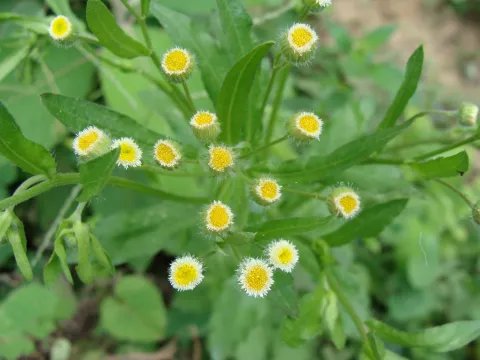
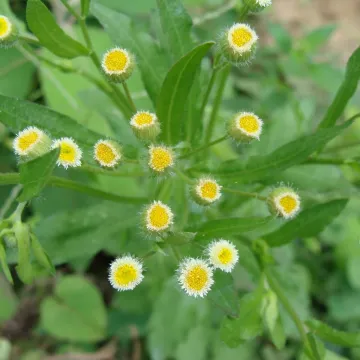
The botanical structure of Conyza apurensis includes a straight, upright stem and numerous small flower heads arranged in clusters. The leaves are typically lanceolate and often exhibit pubescence, which provides some resistance to drought stress. Its deep taproot system allows the plant to remain resilient in harsh, dry environments, further increasing its ability to survive alongside cultivated crops.
Agricultural requirements for the control of this species center on early intervention. Since the plant is a prolific seed producer, mechanical weeding or the application of herbicides must occur before the onset of flowering. The weed thrives in sunny environments with well-drained soil, making it a frequent visitor in fields of row crops, where frequent cultivation is often required to keep populations in check.
From an agricultural standpoint, Conyza apurensis has no beneficial use and is regarded strictly as a pest. Its presence in fields can significantly decrease crop yields and complicate harvesting operations due to its structural density. While various pests and pathogens, such as powdery mildew and rust fungi, may colonize the plant, they rarely suppress its growth enough to negate its impact as a major field weed.
Photo gallery