Copaifera martii
Copaifera martii Hayne
Description
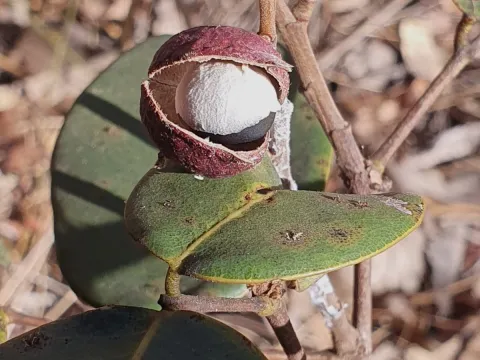
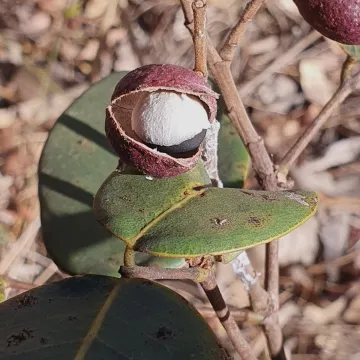
Copaifera martii is a prominent tropical evergreen tree belonging to the family Fabaceae, specifically the subfamily Detarioideae. This species is ecologically significant within the South American rainforests, where it contributes to the complex structure of the canopy and serves as a vital biological resource for local ecosystems.
The native distribution of this tree is centered in the tropical regions of Brazil and adjacent Amazonian territories. It thrives in high-humidity climates with significant annual precipitation and constant warm temperatures. Unlike many agricultural crops, it is strictly tropical and requires specific ecological niches to reach full maturity and peak resin production levels.
Botanically, the tree is characterized by its pinnate leaves and a robust trunk capable of secreting a unique oleoresin. The internal secretory system of the tree is a specialized adaptation that protects the wood from pathogens and herbivory. Its flowers are small and inconspicuous, typically pollinated by specialized tropical bees and other flying insects found in its native range.
Agronomic requirements for cultivating Copaifera martii involve deep, well-drained soils with high organic matter content. Because the species grows relatively slowly, it is often treated as a long-term forestry crop rather than a seasonal commodity. Propagation is achieved through seeds, which require specific humidity levels for germination and early seedling development.
The primary economic value of Copaifera martii is derived from the extraction of its resin, commonly known as copaiba balsam. This substance contains a complex mix of sesquiterpenes and diterpenes, making it highly valued for its antimicrobial, anti-inflammatory, and healing properties in pharmaceutical applications.
Typical pests and diseases include various stem-boring insects and fungal pathogens that can penetrate the bark. Management requires careful monitoring of the tapping sites to prevent excessive damage, which could otherwise weaken the tree and invite opportunistic infections, thereby reducing the lifespan and overall productivity of the individual specimen.
Photo gallery