
Mopane
Copaifera mopane
Description
Copaifera mopane, commonly known as the mopane tree, is a species of flowering plant in the family Fabaceae. This tree is native to the warm, dry areas of Southern Africa. It is widely recognized for its incredible resilience and ability to thrive in poor soils and regions characterized by severe water scarcity.
The native distribution of this species spans across Angola, Namibia, Botswana, Zimbabwe, and the northern parts of South Africa. It typically dominates the landscape in hot, low-lying regions. Mopane is a primary component of the deciduous woodlands in these areas, acting as an ecological cornerstone by providing shade and food for diverse wildlife species.
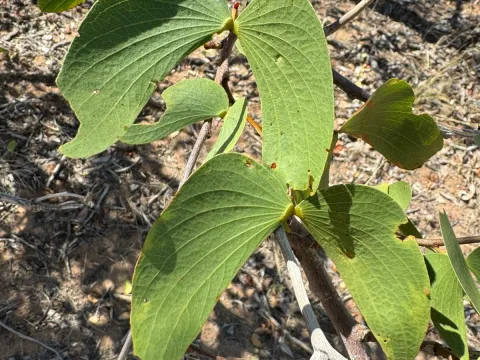
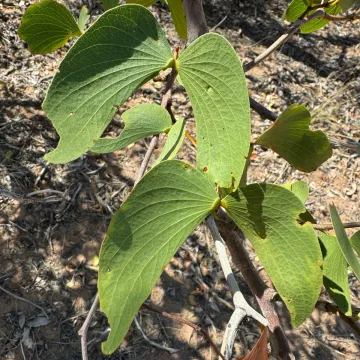
Botanically, the tree is distinct due to its butterfly-shaped, bifoliate leaves. These leaves have a high oil content and characteristic scent when crushed. The tree produces small yellow-green flowers, and the fruits are characteristic pod-like structures. In optimal conditions, it can grow into a tall, straight tree, but it often adapts to shrubby forms in harsh, rocky, or shallow soils.
Agricultural requirements for successful establishment include:
- Strategic planting at the onset of the wet season to maximize water availability.
- Selection of well-drained soil sites, as the species is sensitive to waterlogging.
- Protection of juvenile plants from herbivory by large mammals.
- Limited pruning, as the tree naturally develops a canopy that shades its own root system.
The economic value of Copaifera mopane is vast. The wood is exceptionally hard, dense, and resistant to termites, making it highly prized for heavy construction, high-end furniture, and fuel. Beyond timber, the tree is essential for local agriculture as it supports the mopane worm (larva of the emperor moth), which is a vital source of protein and income for local rural communities in the region.
Photo gallery