Coprosma acerosa
Coprosma acerosa
Description
Coprosma acerosa, commonly known as sand coprosma, is a resilient evergreen shrub belonging to the Rubiaceae family. It is renowned for its remarkable ability to thrive in harsh, exposed coastal environments, making it a staple of native New Zealand flora and a favorite in coastal horticulture.
The plant is native to New Zealand and is naturally found in coastal dune systems. Its geographical distribution in cultivation has expanded to regions with similar temperate or mild maritime climates where soil stabilization and salt tolerance are critical requirements for landscaping.
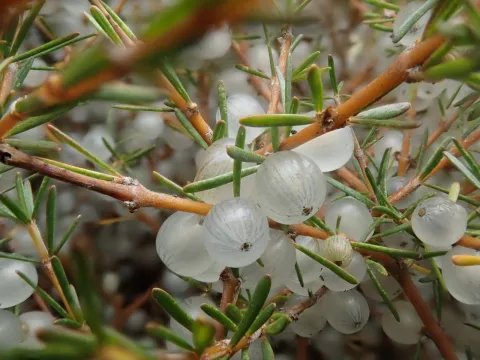
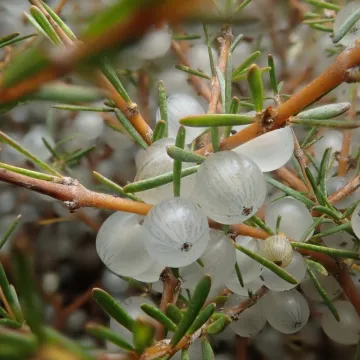
Botanically, the plant features a dense, tangled habit of thin, wiry stems that often resemble a sprawling mass. The foliage consists of tiny, needle-like, leathery leaves that are highly specialized for water retention. During the fruiting phase, it produces translucent, drupe-like berries that are essential for supporting local bird populations.
Cultivation requirements favor sandy, free-draining soils with full sun exposure. It is highly drought-tolerant once established and does not require rich, fertile substrates. Overwatering or heavy, waterlogged clay soils should be strictly avoided, as these conditions are the primary cause of root-related pathogens and fungal infections.
In terms of usage, the primary application of Coprosma acerosa is sand dune stabilization and erosion control in coastal development projects. Beyond its ecological function, it serves as an excellent low-maintenance groundcover or architectural feature in Mediterranean-style gardens. It remains largely pest-free, providing a sustainable solution for gardeners seeking durability.
Photo gallery