Corchorus depressus
Corchorus depressus
Description
Corchorus depressus is a perennial herb or subshrub belonging to the Malvaceae family. Unlike its commercial cousins known for fiber production, this specific species is adapted to thrive in harsh, arid, and semi-desert environments, demonstrating significant evolutionary resilience to water scarcity.
The plant is native to the dry regions of North Africa, the Middle East, and South Asia. It typically occupies sandy or gravelly terrains where moisture levels are insufficient for traditional crops. Its distribution range is a testament to its specialized adaptation to extreme heat and low precipitation cycles.
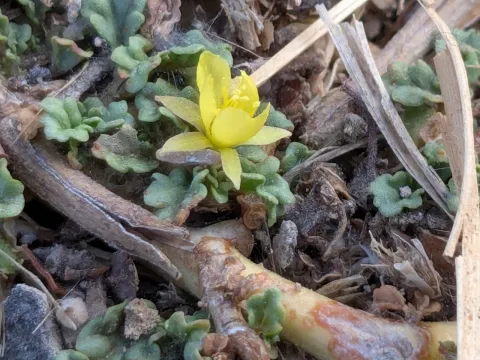
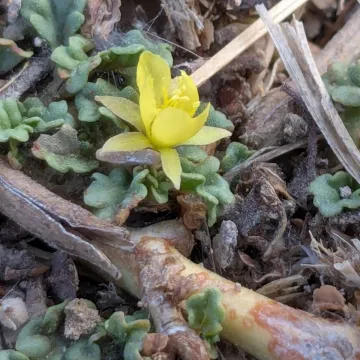
Botanically, Corchorus depressus is characterized by its prostrate growth habit. The stems spread across the ground, which acts as a natural mechanism to reduce moisture loss and shade the root system. Its leaves are small and simple, often with serrated margins, while the yellow flowers are typical of the Malvaceae family, blooming under intense sunlight.
From an agronomical perspective, this crop is exceptionally low-maintenance. It thrives in well-drained, sandy soils with neutral or alkaline characteristics. The primary requirement for successful establishment is full solar exposure; the plant does not tolerate shade and requires very little supplemental irrigation once it is deeply rooted.
In terms of economic and ecological utility, the plant is primarily used for soil stabilization and sand dune fixation. By binding loose soil particles, it serves as a critical agent in preventing desertification. Ongoing research also explores its biochemical properties and potential uses in arid-land farming as a biomass source.
- Excellent drought tolerance
- Superior soil stabilization capacity
- Adaptability to high salinity
- Resistance to local arid-region pests
Photo gallery