Cordia curassavica
Cordia curassavica
Description
Cordia curassavica is a perennial evergreen shrub belonging to the Boraginaceae family. It is recognized for its dense, woody structure and rough, textured foliage. In its native habitats, it often grows as a pioneer species in disturbed soils, displaying high resilience and a rapid rate of growth under favorable tropical conditions.
The plant is native to the tropical regions of Central and South America and the Caribbean. It is widely cultivated or harvested in these zones due to its environmental adaptability and biological activity. It thrives in open, sun-exposed tropical landscapes and is capable of colonizing various types of dry coastal ecosystems.
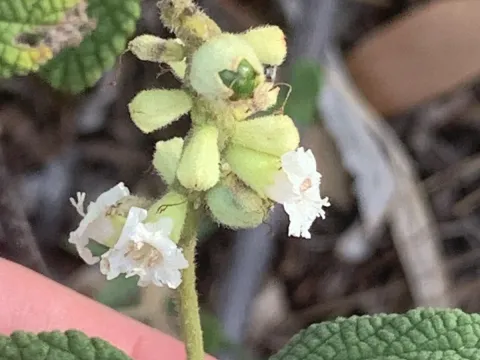
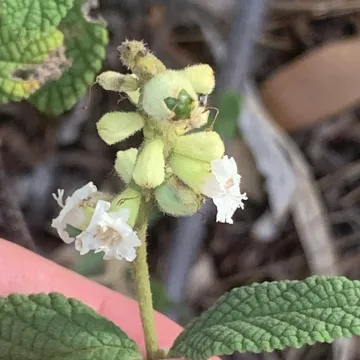
Botanically, the species is distinguished by its elliptical, scabrous leaves that release a distinct aroma when crushed. It produces small, tubular white flowers grouped in terminal cymes. The fruit is a drupe, which serves as a food source for local bird species, aiding in the natural dispersal of the plant in the wild.
Agricultural practices for Cordia curassavica are relatively straightforward due to its drought tolerance. However, for commercial biomass production, maintaining soil health and drainage is crucial. The primary requirements include:
- Sunlight: Full sun exposure is essential for high yield.
- Soil type: Well-drained sandy or loamy soils.
- Watering: Minimal, with irrigation needed only during establishment or extreme drought.
- Maintenance: Pruning is recommended to manage shrub size and encourage dense foliage.
Economically, the plant is highly valued for its medicinal properties. Extracts from the leaves contain anti-inflammatory and analgesic compounds, making it a subject of pharmacological research and traditional medicine. Typical pests include spider mites and scale insects, while major diseases are primarily associated with root rot caused by poor soil drainage in rainy seasons.
Photo gallery