
Cordia cylindrostachya
Cordia cylindrostachya
Description
Cordia cylindrostachya is a perennial evergreen shrub belonging to the Boraginaceae family. This species is recognized for its distinctive floral architecture and its potential utility in both medicinal and ornamental sectors. As an agricultural object, it is primarily studied for its biological characteristics within tropical agro-ecosystems.
The plant originates from the tropical regions of Central and South America, as well as the Caribbean islands. It thrives in humid environments and is typically found in secondary forests and sunny, well-lit habitats. Its natural distribution is largely defined by high annual rainfall and consistent, warm temperatures throughout the year.
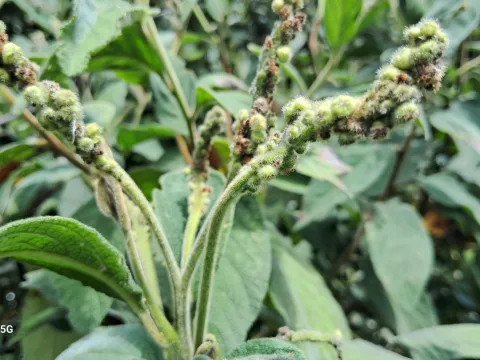
Botanically, the plant is characterized by rough, hairy foliage typical of the Boraginaceae family. Its most defining feature is the cylindrically shaped inflorescence, which bears numerous small, delicate flowers. These structures are essential for its identification and contribute to its overall aesthetic and biological functionality.
Regarding cultivation requirements, the plant prefers well-draining, fertile soils with a slightly acidic to neutral pH. It is sensitive to soil compaction and waterlogging, making proper drainage management a priority. In terms of agro-technique, regular pruning is recommended to maintain the structure of the shrub and promote healthy new growth.
The economic value of Cordia cylindrostachya stems primarily from its use in traditional medicine, where various plant extracts are utilized for their pharmacological properties. Common pests that may affect the crop include sap-sucking insects like aphids or mites, especially when the plant is grown in greenhouse conditions with poor ventilation.
Photo gallery