
Ziricote
Cordia dodecandra
Description
Ziricote (botanical name: Cordia dodecandra) is a prominent tree species belonging to the Boraginaceae family. Native to the tropical regions of Central America, specifically the Yucatan Peninsula, it is highly regarded for its dense, dark, and intricately grained wood, commonly known as bocote or ziricote, which is favored by woodworkers and luthiers worldwide.
The geographic distribution of the species is limited to areas with a strictly tropical climate. It thrives in regions with warm temperatures throughout the year and high humidity levels. In its native habitat, Cordia dodecandra is often found in deciduous tropical forests, where it has evolved to cope with seasonal changes while maintaining its growth cycle in well-draining, limestone-rich soils.
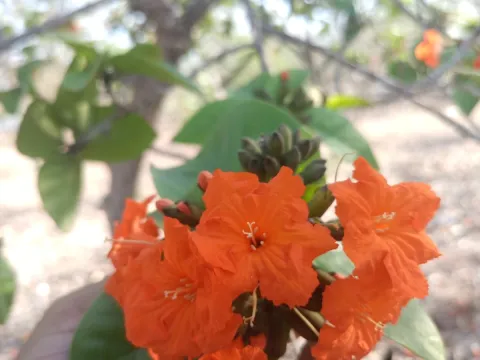
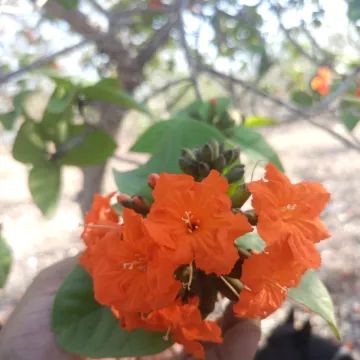
Botanically, the Ziricote tree is recognized by its large, leathery, rough-textured leaves and its distinct, bright orange or red bell-shaped flowers. The fruit is a drupe containing a single seed, which is utilized for propagation in nurseries. The tree typically reaches a moderate height, making it manageable for controlled forestry plantations provided the climate is suitable.
Successful cultivation requires meticulous attention to soil drainage and sunlight exposure. Ziricote plants prefer deep, fertile soil profiles and do not tolerate waterlogging, which can lead to root rot. Young trees require supplemental irrigation during dry periods, while mature trees exhibit significant hardiness against short-term moisture deficits. Pruning is essential in the early stages to encourage a straight main trunk.
From a commercial perspective, Ziricote is primarily cultivated for its high-value timber, used in crafting luxury furniture, musical instruments, and decorative turned objects. The wood is prized for its dramatic 'spider web' grain patterns. Beyond its timber utility, the tree serves as an excellent ornamental specimen in tropical landscaping, attracting pollinators with its seasonal bloom.
In terms of plant health, Ziricote is occasionally affected by fungal pathogens that thrive in overly humid environments, as well as wood-boring insects. Agronomists recommend a strict integrated pest management (IPM) program that includes thinning of dense canopy areas to ensure proper airflow and the removal of infected branches to prevent the spread of diseases within a plantation.
Photo gallery