Cordia ecalyculata
Cordia ecalyculata
Description
Cordia ecalyculata is a perennial tree species belonging to the Boraginaceae family. Known widely in its native South America as "cha de bugre," it is a significant botanical object valued for its leaves, which are used in traditional medicine and the herbal supplement industry. The plant exhibits distinct growth patterns typical of tropical woody species.
Originating from the tropical forests of Brazil, Argentina, and Paraguay, the plant thrives in humid environments with well-distributed rainfall. Its natural habitat is characterized by nutrient-rich forest soils, where it can reach significant height. As an agricultural crop, it requires similar conditions, favoring protected or semi-shaded environments in regions with subtropical climates.
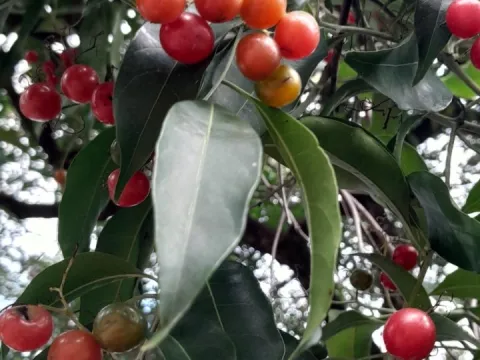
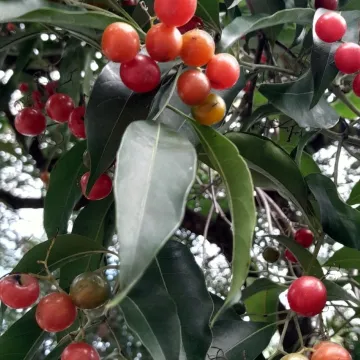
The botanical structure of Cordia ecalyculata includes stiff, leathery leaves and small, white, fragrant flowers. The fruits are drupes that turn a vibrant orange-red upon maturation. Understanding the reproductive cycle is essential for propagation, as the seeds require specific moisture levels and temperature ranges for successful germination and early development.
Agrotechnical requirements focus on soil drainage and consistent fertility. The plant responds well to organic fertilization and requires regular pruning to manage height and stimulate the development of fresh leaf biomass. Soil moisture must be balanced, as waterlogged soil can lead to root rot, while excessive drought significantly hampers leaf production and overall plant health.
Commercially, the plant is primarily cultivated for its pharmacological properties, particularly its diuretic and weight-management applications. While generally robust, the plant can be susceptible to various fungal pathogens in overly humid conditions and specific sap-sucking insects. Integrated pest management (IPM) practices, including proper spacing and canopy management, are the most effective ways to ensure healthy yields.
- Therapeutic use of leaf extracts
- Soil requirements for optimal growth
- Pruning techniques for biomass production
- Management of common fungal pathogens
Photo gallery