Cordia gerascanthus
Cordia gerascanthus
Description
Cordia gerascanthus is a prominent tree species belonging to the Boraginaceae family. It is widely recognized for its robust growth habit and is considered a valuable resource within tropical forestry, functioning as a primary timber-producing crop in its native range.
The origin of this species is primarily the Caribbean, Central America, and northern parts of South America. It thrives in diverse tropical ecosystems, ranging from lowland forests to regions with distinct dry and wet seasons, demonstrating significant adaptability to various tropical soil types and humidity levels.
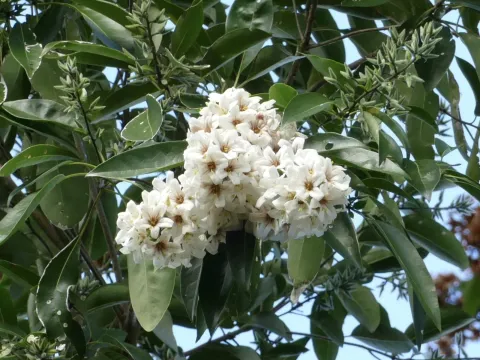
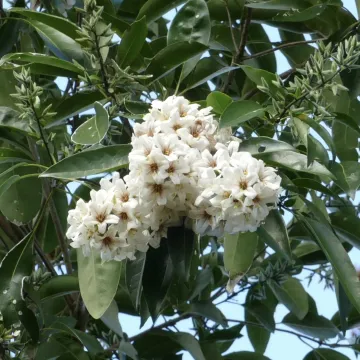
Botanically, the tree is characterized by a straight, slender trunk and a broad, branching canopy. The leaves are simple and often possess a rough texture, typical of the Boraginaceae family. The plant produces showy, fragrant flowers that mature into small, inconspicuous fruits, contributing to the local biodiversity by attracting various pollinators.
Successful cultivation requires well-drained, fertile soil and high temperatures throughout the year. As a heliophilic species, it demands full exposure to sunlight for optimal development. Silvicultural practices often involve periodic pruning and thinning, which are essential for promoting vertical growth and minimizing defects in the wood structure.
The primary economic use of Cordia gerascanthus is its high-quality timber, often marketed as 'cypre' or 'Spanish elm'. The wood is highly sought after for its durability, resistance to decay, and rich, aesthetic appearance, making it an ideal material for fine furniture, joinery, and interior decoration purposes.
- Excellent workability of the timber for artisanal crafts
- Natural resistance to common wood-rotting fungi
- Potential for use in reforestation and soil stabilization
- Strong market demand in the international hardwood sector
Regarding health management, the species is relatively hardy but can be susceptible to fungal infections in poorly drained conditions. Common pests include wood-boring insects and leaf-miners, which necessitate proactive monitoring and integrated pest management strategies to maintain the health and vigor of the plantation stands.
Photo gallery