Smooth cordia
Cordia laevigata
Description
Smooth cordia (Latin: Cordia laevigata) is a perennial woody plant belonging to the Boraginaceae family. In the agricultural and forestry sectors of tropical regions, this species is highly valued for its ecological adaptability, high-quality timber, and its versatile use as both an ornamental and medicinal crop.
The species is native to the tropical regions of South and Central America. Its natural range encompasses the humid forests of Brazil, Colombia, and several other countries in the region. In the agricultural sector, it is managed both in wild-harvesting systems and in silvopastoral setups, where it serves to produce biomass and protect soil from erosion.
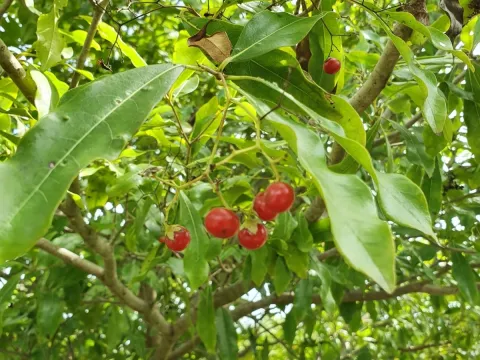
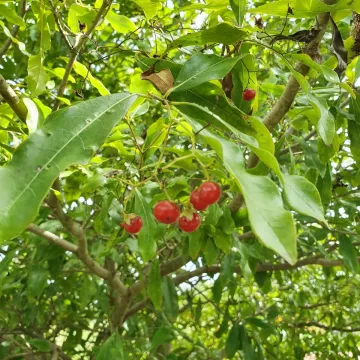
Botanically, smooth cordia manifests as a tree or large shrub featuring dense, leathery, elliptical leaves. The leaf surface is typically smooth, a characteristic that gives the plant its common and specific name. The flowers are arranged in clusters, possessing the typical Boraginaceae structure, and are known to attract numerous pollinators, which helps support local biodiversity within the agricultural ecosystem.
Successful cultivation requires warm climatic conditions without extreme temperature fluctuations. The plant thrives in loose, fertile soils with efficient drainage, as it is sensitive to waterlogging in the root zone. Standard agricultural practices involve regular irrigation during the initial growth stages and controlled applications of organic fertilizer to promote robust vegetative development.
The economic and practical applications of this species are diverse:
- Timber production for use in small-scale carpentry and woodworking.
- Traditional medicinal use of bark and leaves in herbal preparations.
- Planting as living fences and windbreaks on agricultural lands.
- Support for apiculture by acting as a reliable nectar source for bees.
Common issues for smooth cordia include fungal infections favored by excessive humidity, which necessitates regular sanitary pruning. Pests such as leaf-eating insects and scale insects may impact young saplings; therefore, maintaining strict phytosanitary monitoring is a fundamental component of effective plantation management.
Photo gallery