Cordia lima
Cordia lima
Description
Cordia lima is a unique botanical species belonging to the Boraginaceae family. Known primarily for its resilience in arid tropical environments, it typically grows as a dense shrub or small tree. This plant has adapted to survive in harsh soil conditions, making it an object of interest for research into drought-tolerant agricultural species.
The plant originates from the Caribbean region, particularly the islands of Cuba and Haiti. Its natural habitat includes scrublands and dry forests where rocky or limestone-based soils are predominant. Due to its evolutionary history, Cordia lima requires high light intensity and cannot survive in temperate climates with frost, necessitating its cultivation in strictly tropical zones.
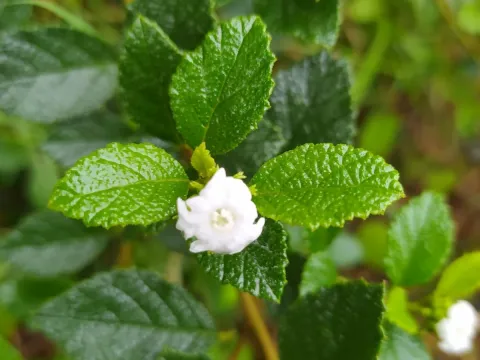
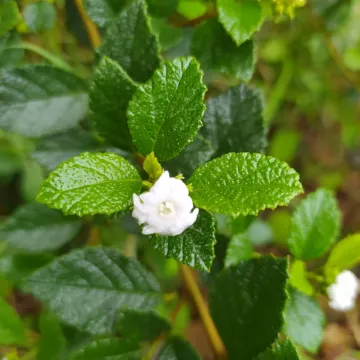
Morphologically, the plant is characterized by its stiff, scabrous leaves and complex inflorescences. These adaptations help the plant conserve water during the dry season, a critical feature for its survival. Its reproductive system is well-suited to the local climate, producing seeds that remain viable even after prolonged exposure to heat, ensuring the continuation of the population.
Agricultural practices for Cordia lima emphasize the importance of soil drainage. Because the species is prone to root rot in waterlogged conditions, planting on elevated beds or porous soil is recommended. Standard agrotechnics involve minimal irrigation, focusing only on the early establishment phase. Maintenance includes pruning to prevent overcrowding and ensure adequate airflow through the canopy.
The economic utility of Cordia lima is diverse, ranging from traditional medicine to small-scale wood craftsmanship. Historically, local populations have used various parts of the plant to treat inflammation and skin conditions. While not a major industrial commodity, it remains a valuable genetic resource. Disease management primarily involves monitoring for fungal pathogens that may occur during unusually humid periods, as well as typical tropical leaf-chewing insects.
Photo gallery