Cordia sinensis
Cordia sinensis
Description
Cordia sinensis is a perennial woody plant or shrub belonging to the Boraginaceae family. Despite its misleading common name, this species is native to tropical and arid regions across Africa and Asia, where it thrives in diverse environments ranging from savannahs to dry forests.
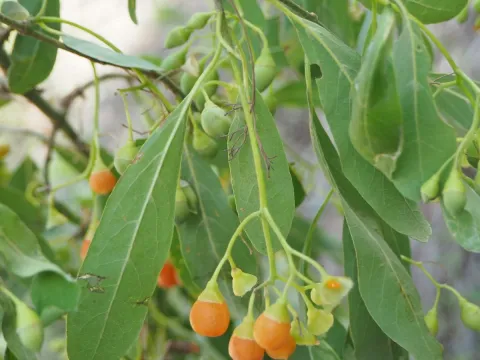
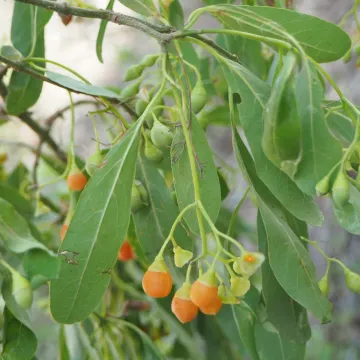
Botanically, it is characterized by its stiff, leathery leaves and small, white-to-yellow flowers. The plant produces succulent drupes, which are an essential food source for wildlife. Its growth habit is typically bushy, making it a robust component of the landscapes where it naturally occurs.
The climate requirements for Cordia sinensis are centered on warm temperatures and distinct dry seasons. It is highly drought-tolerant, which makes it an excellent candidate for xeriscaping or low-maintenance gardening in arid regions. It thrives in well-draining soils, particularly those that are sandy or rocky, where its deep root system can establish effectively.
In terms of agricultural and practical utility, the plant is historically valued for its medicinal properties and the useful materials derived from its bark. Certain traditional practices involve using the fruit or leaves in herbal preparations, and the wood is occasionally utilized for small-scale local woodworking projects due to its durability.
When cultivating this species, growers must be aware of typical pests such as sap-sucking insects and leaf miners. To maintain plant health, it is vital to prevent waterlogging, as excessive humidity can trigger fungal issues such as root rot or leaf spots. Proper pruning and weed control during the establishment phase are essential for ensuring a healthy, long-lived plant.
Photo gallery