Cordia spinescens
Cordia spinescens
Description
Cordia spinescens is a perennial shrub belonging to the Boraginaceae family. Known for its distinct spiny branches, this plant serves as a robust component of tropical vegetation. In agricultural and botanical settings, it is recognized for its adaptability and the presence of specialized bioactive compounds in its foliage and bark.
The species originates from the tropical regions of Central and South America. It thrives in diverse environments, ranging from dense forests to secondary growth areas. Its wide distribution is facilitated by birds that consume its small, fleshy fruits and disperse the seeds across various ecosystems, contributing to the plant's natural propagation.
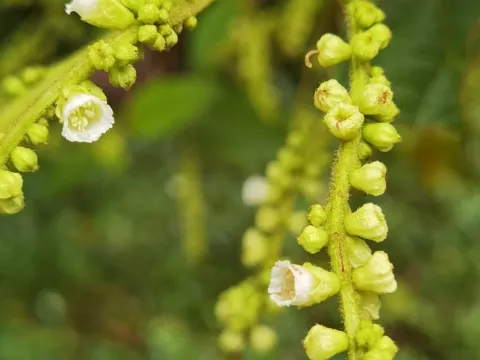
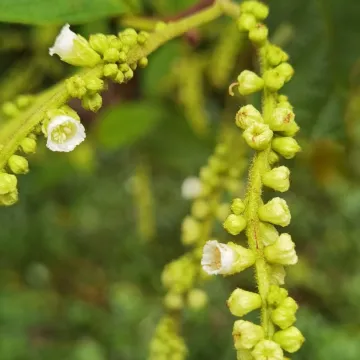
Botanically, the plant is characterized by its alternate, rough-textured leaves and small white flowers arranged in spikes. The shrub typically reaches a height of 2–4 meters. It exhibits excellent resilience to heat and varying levels of humidity, making it a reliable plant for restoration projects in regions where soil stability is a concern.
Regarding cultivation requirements, Cordia spinescens prefers well-drained, nutrient-rich soils and full sunlight exposure. While the plant is drought-tolerant once established, supplemental irrigation during the seedling stage significantly enhances its growth rate. It is strictly a tropical species and does not survive in frost-prone climates, limiting its outdoor agricultural use to frost-free zones.
Key areas of economic and agricultural use include:
- Medicinal applications: research into the anti-inflammatory properties of its extracts.
- Agroforestry: forming dense, impenetrable natural fences around crop fields.
- Soil conservation: acting as a ground cover to prevent erosion on hillside farms.
- Biodiversity support: providing a food source for local fauna.
The plant generally faces few severe pests, although in certain environments, aphids and leaf miners may affect younger shoots. Excessive moisture remains the primary cause of plant failure, often leading to fungal root rot. Proper maintenance involves periodic pruning to manage its spreading growth habit and to ensure good airflow through the crown, which minimizes disease incidence.
Photo gallery