Cordylanthus capitatus
Cordylanthus capitatus
Description
Cordylanthus capitatus is a specialized herbaceous annual plant belonging to the Orobanchaceae family. Historically associated with Scrophulariaceae, modern taxonomy classifies it within Orobanchaceae due to its hemiparasitic nature. This plant relies on a root connection to a host species to supplement its nutrient uptake, although it retains the ability to perform photosynthesis.
The native range of Cordylanthus capitatus is primarily in the western regions of North America. It thrives in arid to semi-arid environments, often appearing in open, gravelly habitats, mountain slopes, or dry meadows. It is not considered a traditional commercial crop, but it plays a significant role as a specialist component of its native ecological communities.
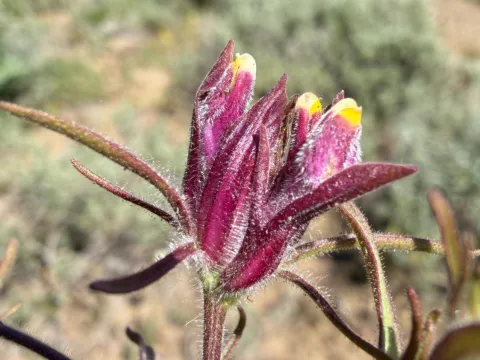
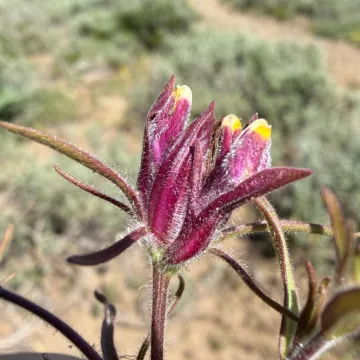
Botanically, the plant is characterized by its pubescent stems and linear, alternate leaves. The most striking feature is the inflorescence: the flowers are clustered into dense, head-like structures (capitula) protected by prominent bracts. This morphology is an adaptation to dry climates, minimizing water loss while protecting the developing reproductive structures during the heat of the summer.
In terms of cultivation requirements, the species is notoriously difficult to grow outside of its native environment because of its obligate hemiparasitic nature. It requires well-drained, nutrient-poor soil and consistent access to appropriate host root systems to thrive. It does not respond to standard agricultural fertilizers or irrigation practices, as these often disrupt the delicate parasitic balance required for its development.
The agricultural and economic utility of Cordylanthus capitatus is primarily limited to ecological restoration and conservation research. It is rarely utilized for commercial purposes, although its presence is often used as an indicator of ecosystem health in its native western American range. Potential threats include habitat loss and changes in the distribution of host plant species, which directly impact the population density of this unique organism.
Photo gallery