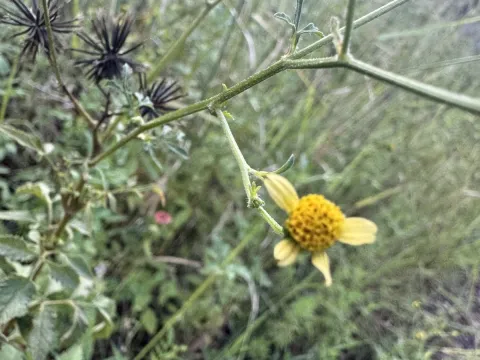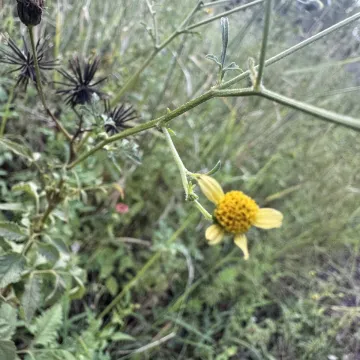
Coreopsis biternata
Coreopsis biternata
Description
Coreopsis biternata is an annual herbaceous plant belonging to the Asteraceae family. Known for its distinct botanical structure and vibrant yellow blooms, it is a significant species within its genus, often utilized in ornamental horticulture and landscape restoration projects due to its aesthetic value.
The plant originates from North America, where it thrives in open meadows and sunny, disturbed habitats. Its natural distribution range has led to its successful introduction into various climates where it displays adaptability to moderate environmental stresses. In cultivation, it is often favored for its reliability and long-lasting floral display throughout the warm season.
Botanically, the species is characterized by its biternate leaves, which provide a delicate texture, and its terminal flower heads that typically appear on slender yet sturdy stalks. The plant structure is designed to maximize exposure to sunlight, which is crucial for its energy production. Its life cycle is relatively rapid, allowing it to complete its growth phases within a single growing season.
Cultivation requirements for this crop focus primarily on light and drainage. Coreopsis biternata demands full sun exposure to flourish and prevent legginess. The ideal soil is loose and sandy-loam with excellent drainage properties to prevent root decay. Agricultural management includes moderate irrigation during dry spells and consistent weeding to reduce competition for nutrients in the early stages of development.
Host-plant utility encompasses both aesthetic landscaping and ecological support for native pollinators. However, growers should be aware of potential pests like aphids and diseases such as powdery mildew, especially in humid conditions. Integrated pest management (IPM) practices, such as ensuring proper plant spacing for airflow, are recommended to minimize the risk of infection and maintain plant vigor.
- Plant height: 30–60 cm
- Light requirement: Full sun
- Soil preference: Well-drained
- Primary use: Ornamental/Pollinator garden
Photo gallery