Beggar-ticks
Coreopsis leucantha
Description
Coreopsis leucantha (commonly known as Bidens alba or beggar-ticks) is a flowering plant belonging to the Asteraceae family. While often categorized as a wild plant, it has gained recognition in agricultural sectors for its potential as a medicinal crop and a robust nectar source for honey production.
The plant originates from tropical and subtropical regions of the Americas. Its natural range has expanded significantly due to its adaptability to various soil types and environmental conditions, making it a resilient candidate for cultivation in diverse geographic locations.
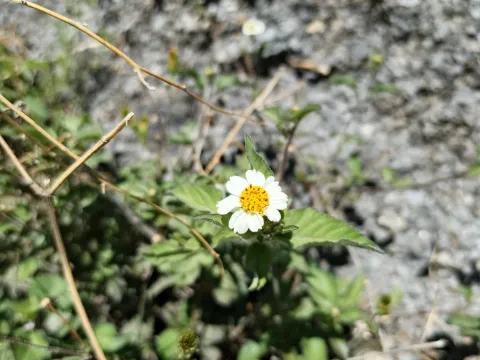
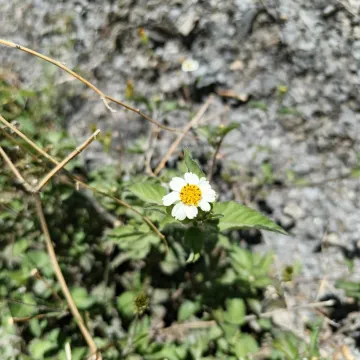
Botanically, it is characterized by its distinct white ray florets and yellow disk florets, arranged in small flower heads. The foliage is typically compound and serrated. Its robust root system allows it to persist under varying irrigation regimes, demonstrating a high degree of drought tolerance compared to many delicate garden species.
For optimal agricultural performance, Coreopsis leucantha requires well-drained soil rich in organic matter. While it thrives in full sun, it shows tolerance to partial shade. Standard agronomic practices involve maintaining soil fertility through organic amendments and ensuring regular weeding during the early stages of growth to minimize competition for resources.
The economic utilization of this plant is multifaceted, serving industries including:
- Pharmaceuticals, where its extracts are valued for bioactive components.
- Apiculture, providing a critical late-season forage for pollinators.
- Soil conservation, as its density prevents erosion on disturbed land.
Farmers must remain vigilant regarding pests such as aphids and spider mites, which can proliferate in large mono-crop stands. Additionally, fungal infections like powdery mildew may occur if planting density is too high. Proper spacing and airflow management remain the best cultural practices to mitigate these risks effectively.
Photo gallery