Corokia buddleioides
Corokia buddleioides
Description
Corokia buddleioides, commonly known as the willow-leaf corokia, is a striking evergreen shrub belonging to the Argophyllaceae family. Renowned for its architectural form and unique foliage, it serves as a sophisticated addition to ornamental gardens, frequently reaching heights of up to three meters in ideal growing conditions.
Native to New Zealand, this plant is naturally adapted to temperate maritime climates. Its distribution as a cultivated crop is limited to regions with mild winters, as it lacks significant frost tolerance. Success in cultivation often depends on selecting a site that offers protection from harsh winds and provides sufficient humidity to support its evergreen foliage.
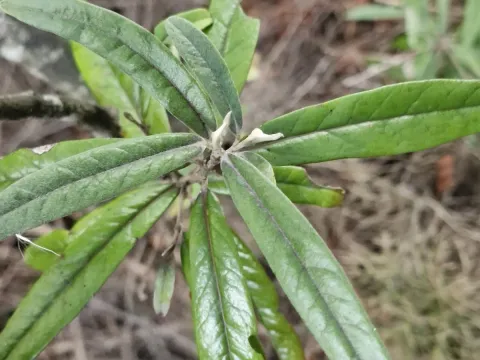
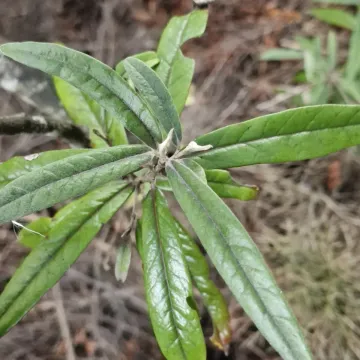
Botanically, the species is distinguished by its narrow, lanceolate leaves, which possess a striking contrast between the dark green upper surface and the dense, silvery-grey pubescence underneath. The plant produces star-shaped, yellow flowers in late spring or early summer, followed by small, ornamental fruit that adds visual interest during the transition to autumn.
Agronomic requirements emphasize the necessity of well-draining soil, ideally ranging from slightly acidic to neutral in pH. Proper soil aeration is crucial to prevent root rot. Maintenance involves pruning to encourage a bushy habit; the best time for trimming is immediately post-flowering. While drought-tolerant once established, young plants require consistent moisture to develop a robust root system.
Beyond its aesthetic appeal in landscape design, Corokia buddleioides is sometimes used in coastal gardening due to its resilience to salt-laden air. However, it remains susceptible to common ornamental pests such as scale insects and spider mites. Effective pest management strategies involve periodic monitoring and the application of horticultural oils if infestation levels threshold the economic damage level for the plant.
Photo gallery