Globe crown vetch
Coronilla globosa
Description
Globe crown vetch (Coronilla globosa) is a perennial herbaceous plant belonging to the Fabaceae family. As an agricultural crop, it is gaining recognition for its hardiness and nitrogen-fixing properties, which play a crucial role in improving soil quality and sustainability in pasture management systems.
Native to the Mediterranean region, this species has adapted to challenging environments, including rocky soils and seasonal droughts. Its natural range demonstrates its resilience, allowing it to serve as a valuable forage resource in regions where conventional legumes might struggle due to lack of moisture or extreme thermal fluctuations.
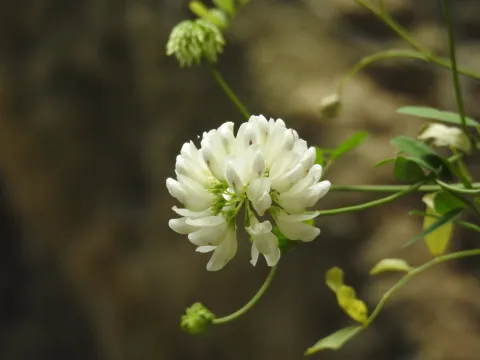
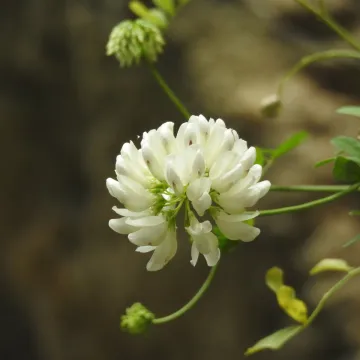
Botanically, the plant is characterized by its pinnate leaves and distinctive globe-shaped flower clusters, which provide its scientific and common names. The root system is deep and well-developed, facilitating nutrient uptake from lower soil profiles. Its efficient blooming period makes it an excellent forage crop and an attractive plant for local pollinator populations.
The cultivation of this plant requires specific site conditions, primarily focusing on well-drained, sunny locations with a neutral to slightly alkaline pH. Proper site preparation is essential to avoid waterlogging, which the plant cannot tolerate. Farmers should prioritize early spring sowing to ensure the establishment of a robust root system before the onset of the hottest summer months.
Host use typically includes high-quality livestock fodder production and soil nitrogen enrichment. Potential phytosanitary issues include fungal root infections if drainage is poor and occasional infestations of aphids during prolonged heat. However, regular scouting and proper field sanitation are usually sufficient to mitigate these threats, maintaining a productive crop cycle.
Photo gallery