Beaked crownvetch
Coronilla rostrata
Description
Beaked crownvetch (lat. Coronilla rostrata) is a herbaceous perennial belonging to the Fabaceae family. This crop is gaining recognition in agricultural circles for its resilience and its biological capacity to enrich soil nitrogen levels through symbiotic relationships with Rhizobium bacteria.
The plant originates from the Mediterranean and Southern European regions. It is well-adapted to rocky, calcareous substrates and can thrive in climates characterized by hot, dry summers. Its natural distribution is largely defined by these specific environmental niches, where it competes effectively with native meadow vegetation.
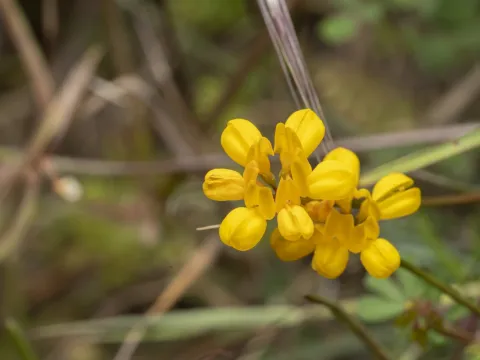
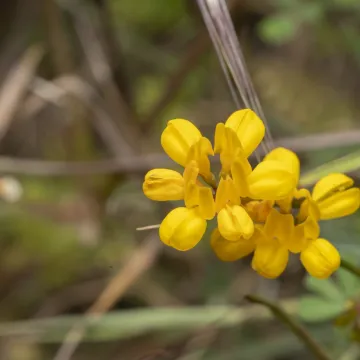
Botanically, the species features pinnate leaves and distinctive umbel inflorescences where the flowers possess a unique, beak-like structure, giving it the specific name 'rostrata'. The plant develops a robust root system that helps in stabilizing soil slopes and improves soil aeration, making it an excellent candidate for land reclamation projects.
Cultivation requirements involve choosing well-drained, lime-rich soils with full exposure to sunlight. Proper site preparation is essential to reduce early competition from weeds. Once established, the crop demonstrates high drought tolerance, though supplemental irrigation may be beneficial during the germination phase to ensure a strong start.
The primary agricultural utility lies in forage production, as the plant provides a nutrient-rich biomass for grazing livestock. Furthermore, it serves as an effective ground cover to prevent erosion on sloping agricultural land. The main pathological challenges include fungal leaf spots and potential infestations by aphids or weevils, which require routine field monitoring and integrated pest management strategies to maintain plant vigor.
Photo gallery