Cryptandra scortechinii
Cryptandra scortechinii
Description
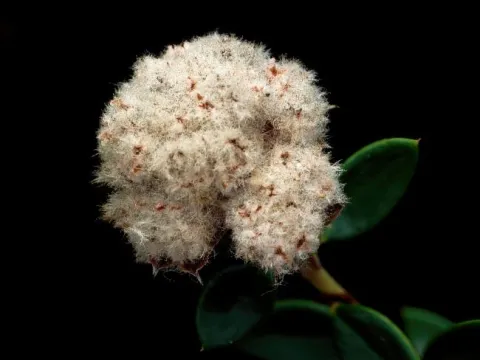
Cryptandra scortechinii, commonly referred to as the Corroboree flower, is a perennial evergreen shrub belonging to the Rhamnaceae family. This species is highly regarded for its unique, ornamental floral structures that emerge during the spring season, adding significant aesthetic value to native landscapes.
The plant is native to Australia, specifically documented in the eastern regions including Queensland and New South Wales. It thrives in diverse habitats ranging from sclerophyll forests to rocky outcrops, demonstrating a remarkable resilience to the harsh environmental conditions characteristic of these regions.
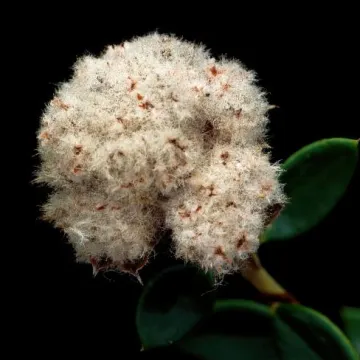
Botanically, this shrub is characterized by its small, sclerophyllous leaves that are well-adapted to prevent water loss. The flowers are typically arranged in dense clusters, which are highly attractive to local pollinators, including native bees and small insects, playing an essential role in local biodiversity.
Regarding cultivation, this species demands well-draining, nutrient-poor soil, mimicking its natural sandy or gravelly habitat. It is essential to avoid waterlogged conditions, as the root system is highly susceptible to fungal pathogens like Phytophthora. Full sun exposure is preferred for optimal growth, although partial shade is tolerated in extremely hot climates.
The primary horticultural application of Cryptandra scortechinii is in xeriscaping and native garden restoration projects. Management of the plant requires minimal fertilization; excessive nitrogen can lead to rapid, weak growth. Typical pests include aphids and scale insects, which can usually be managed through environmental monitoring or targeted biological control methods.
Photo gallery