
Cortaderia richardii
Cortaderia richardii
Description
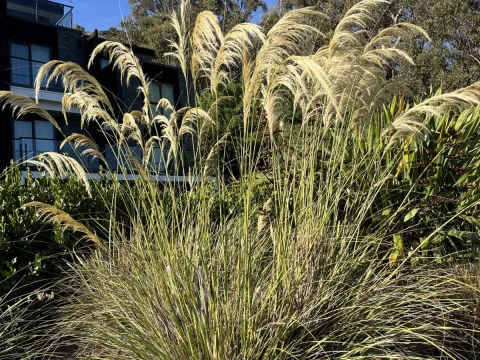
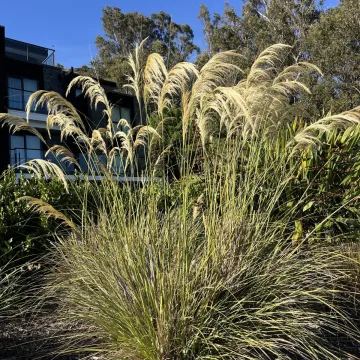
Cortaderia richardii is a distinguished perennial grass belonging to the Poaceae family. Known for its graceful habit and impressive stature, this species stands out as a focal point in landscape design. It is frequently admired for its slender, arching leaves and distinct, feathery inflorescences that provide architectural interest to gardens.
Native to the diverse landscapes of New Zealand, this species has been introduced to various regions with temperate climates. Its ability to withstand certain environmental stresses makes it a popular choice for large-scale landscaping. While it is primarily grown for ornamental purposes, it remains a subject of interest for botanists studying the adaptability of high-altitude grasses.
Botanically, it forms dense, robust clumps that can reach significant heights. The leaves are characteristically tough, narrow, and often have serrated edges. The inflorescences emerge as elegant, plume-like panicles that transition from creamy-white to subtle silver tones, persisting well into the winter months and offering year-round texture.
To ensure optimal growth and development, gardeners should adhere to specific cultural practices:
- Selection of sites with full sun exposure and good air circulation.
- Well-drained soil with a balanced nutrient profile.
- Consistent moisture supply during the primary growth phase.
- Pruning back old foliage in late winter or early spring.
- Protection against harsh winter winds in colder climatic zones.
In terms of practical application, Cortaderia richardii is utilized primarily in decorative horticulture. It serves as an excellent specimen plant, a component for screening, or as part of a mixed border. Additionally, the dried plumes are highly valued in floral arrangements for their longevity and structural elegance, making them a staple in interior design.
While generally resilient, the plant may encounter issues with fungal diseases such as powdery mildew, especially in humid or overcrowded conditions. Pests such as aphids or spider mites can occasionally affect the foliage. Maintaining healthy soil conditions and ensuring adequate spacing between plants are the most effective strategies to prevent disease outbreaks.
Photo gallery