
Beaked hazel
Corylus cornuta
Description
Beaked hazel (Corylus cornuta) is a deciduous shrub belonging to the Betulaceae family. Native to North America, it is widely recognized for its unique fruit structure: the nut is enclosed in a long, tubular husk that extends into a beak-like shape, which gives the plant its common name. As a hardy relative of the European hazelnut, it is a resilient choice for temperate climate horticulture.
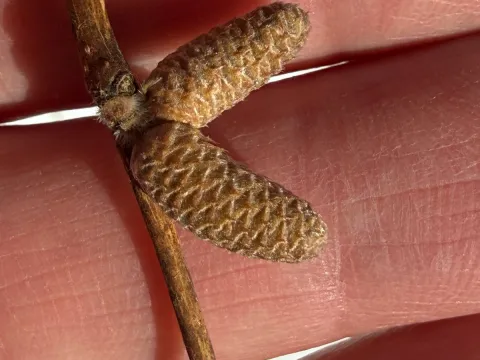
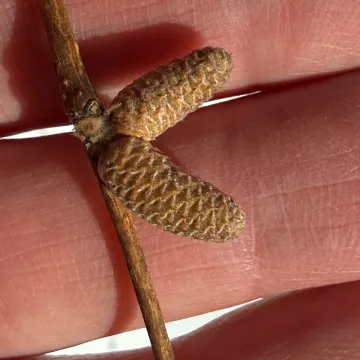
The plant typically grows as a thicket-forming shrub reaching heights of 2 to 4 meters. Its leaves are broad, serrated, and ovate, providing dense foliage that is beneficial for local wildlife. Flowering occurs in early spring, with male catkins emerging before the leaves. The nuts produced are smaller than commercial filberts but are prized for their high oil content and nutritional density, serving as a food source for both humans and woodland animals.
In terms of cultivation, beaked hazel thrives in well-drained, fertile soil with a neutral to slightly acidic pH. While it is highly tolerant of shade, fruit production is significantly higher when the shrub is planted in full sun to partial shade settings. The plant is exceptionally winter-hardy, making it a reliable agricultural choice for northern regions where other nut varieties might suffer from frost damage.
Effective management of this crop involves several key horticultural practices:
- Strategic pruning to remove dead wood and encourage vigorous new growth.
- Consistent irrigation during the fruit-setting stage to ensure optimal nut size.
- Monitoring for common pests such as the hazelnut weevil and aphids.
- Applying mulch to maintain soil moisture and suppress competition from weeds.
Economically and ecologically, beaked hazel is highly valued. Besides its direct use as a food crop, it is often utilized in conservation efforts to prevent soil erosion on slopes. Its dense growth habit makes it an excellent candidate for hedgerows, providing wind protection for more sensitive garden crops. Maintaining a healthy stand involves regular inspection for fungal diseases like powdery mildew, which can be managed through proper spacing and sanitation.
Photo gallery