Costus lucanusianus
Costus lucanusianus
Description
Costus lucanusianus is a perennial herbaceous plant belonging to the Costaceae family. Often referred to by its botanical name, it is a significant species in the ginger-like group of plants. Known for its spiraling stems and unique floral structures, it serves as an important agricultural crop in its native regions, valued for both its ornamental appeal and its biochemical content.
The plant originates from the tropical rainforests of Western and Central Africa. It typically thrives in humid environments, along riverbanks, and in shaded woodland areas. Due to its specific environmental requirements, the cultivation area is largely restricted to tropical regions that provide consistent warmth and high humidity, which are essential for its vegetative growth and reproduction.
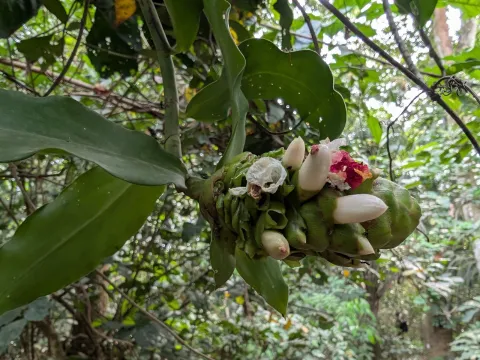
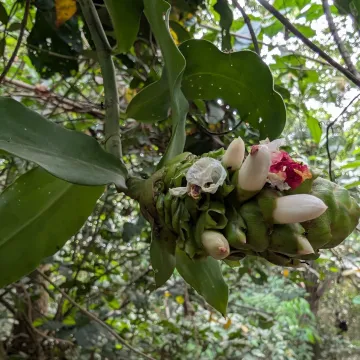
Botanically, Costus lucanusianus is characterized by rhizomatous roots that produce thick, upright stems growing up to two meters in height. The leaves are spirally arranged around the stem, which is a hallmark of the genus. Its flowers are protected by prominent bracts, forming a cone-like inflorescence. This structure allows the plant to survive in competitive forest ecosystems by ensuring the safety of its reproductive parts.
The agricultural requirements for this crop focus on soil composition and water management. It prefers rich, well-draining, and slightly acidic soils. The climate should remain consistently warm, as the plant is highly sensitive to frost and cold drafts. Farmers must ensure a semi-shaded environment to simulate its natural habitat, protecting the foliage from excessive direct sunlight.
The economic and practical applications of this crop include:
- Pharmaceutical research targeting anti-inflammatory compounds.
- Traditional medicine utilization for various ailments.
- Ornamental horticulture in tropical climates.
Typical plant health issues involve fungal rot if the soil remains waterlogged for extended periods without adequate aeration. Pests that commonly affect the plant under greenhouse conditions include spider mites and mealybugs. Effective management includes maintaining proper humidity levels and regular monitoring of the foliage to prevent large-scale infestations.
Photo gallery