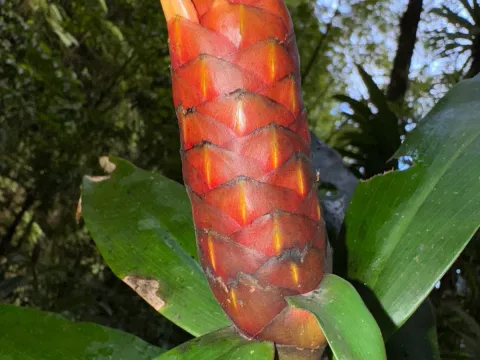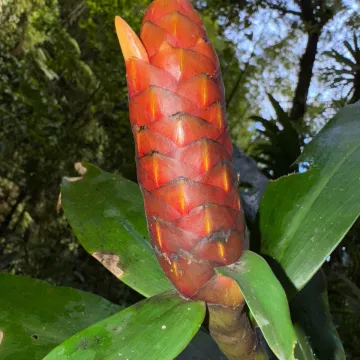

Costus spicatus
Costus spicatus
Description
Costus spicatus, commonly known as spiral ginger, is a perennial herbaceous plant belonging to the Costaceae family. Known for its distinct spiraling stem growth and striking inflorescences, this plant is increasingly recognized as a significant crop in tropical regions due to its unique botanical properties and biochemical profile.
The native habitat of Costus spicatus spans Central and South America, as well as the Caribbean islands. It thrives in humid, tropical rainforest environments. Commercial cultivation is typically restricted to warm climate zones where humidity levels remain high, as the species is sensitive to temperature drops and requires consistent environmental conditions for optimal growth.
Botanically, the plant is characterized by rhizomatous roots and tall, leafy stems that reach up to 2 meters in height. Its most notable feature is the spike-like inflorescence, often red or orange, which houses the true flowers. The leaves are arranged in a classic spiral pattern around the stalk, which has earned the plant its common name and makes it visually distinguishable from other ginger-related species.
Successful cultivation requires rich, well-draining soil with a slightly acidic profile. Agrotechnics for this crop focus on providing partial shade to avoid leaf scorch while maintaining high soil moisture through drip irrigation systems. Organic fertilizer application is essential during the vegetative phase to ensure the development of a healthy rhizome system, which is crucial for the plant's long-term sustainability.
- Ideal growth temperature: 20°C to 30°C.
- Need for consistently moist but not waterlogged soil.
- Monitoring for pests like aphids, spider mites, and scale insects.
- Disease management: focus on preventing root rot through proper soil drainage.
The agricultural use of Costus spicatus is largely centered on the pharmaceutical and cosmetic industries. Research into its phytochemical properties has highlighted potential applications in metabolic health support. Furthermore, in horticulture, it is highly sought after as an exotic ornamental crop for landscapes and greenhouse production, significantly contributing to the value of tropical agriculture.
Photo gallery