Nance
Byrsonima crassifolia (L.) Kunth
Description
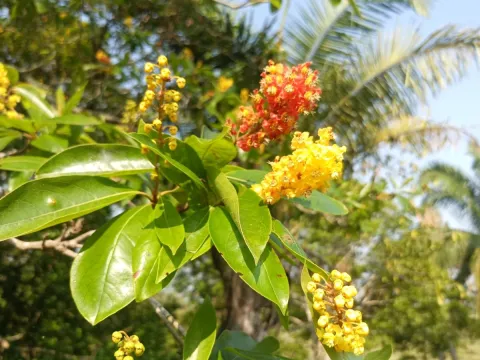
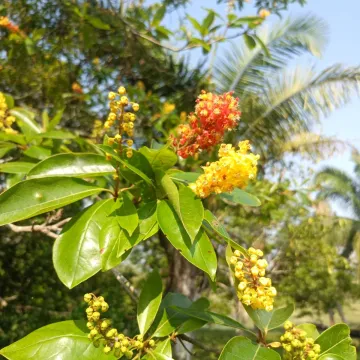
Nance, scientifically known as Byrsonima crassifolia and locally referred to as craboo, is a versatile fruit-bearing tree belonging to the Malpighiaceae family. Native to tropical regions of the Americas, it is widely appreciated for its aromatic, yellow berries which are a staple in local diets and regional culinary traditions.
The geographic range of this species extends from Mexico through Central and South America. It thrives in diverse habitats, predominantly in savanna ecosystems and semi-deciduous forests. The tree is highly valued for its ability to persist in poor, acidic soils where other agricultural crops might struggle to survive.
Botanically, the tree typically reaches heights of 3 to 10 meters and is characterized by its leathery, elliptical leaves and pubescent under-surfaces. The fruit is a small, drupe-like berry that turns from green to bright yellow or orange when mature, possessing a pungent, musky fragrance and a distinct sweet-sour taste.
Cultivation practices for craboo emphasize the importance of full sun exposure and well-draining soil conditions. It is relatively resistant to heat and moderate drought. Regular maintenance includes light pruning to manage the canopy density and promote better airflow, which is essential to prevent common fungal issues in humid tropical climates.
Economically, the fruit is commercially harvested for fresh consumption, ice creams, desserts, and the production of fermented beverages. The plant also holds significant value in ethnobotany; its bark, roots, and leaves contain tannins and phenolic compounds used in traditional medicine. The wood is dense and used for minor construction and tool handles.
- Excellent adaptation to drought-prone environments.
- Susceptible to scale insects and mealybugs.
- Fungal leaf spots can occur during high humidity.
- Requires minimal chemical fertilizer if soil drainage is adequate.
Photo gallery