Billy Buttons
Craspedia glauca
Description
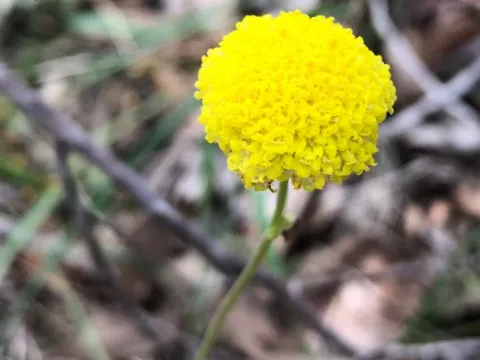
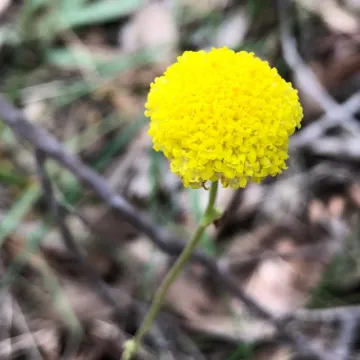
Craspedia glauca, commonly known as Billy Buttons or drumstick flower, is a herbaceous perennial plant belonging to the Asteraceae family. It is widely recognized in professional floriculture for its unique, globe-shaped golden flower heads. The plant features a basal rosette of silver-grey leaves, which provides a striking contrast to its long, slender, and sturdy stalks that carry the inflorescences.
Originating from Australia and New Zealand, this plant thrives in regions characterized by warm, sunny climates. In agricultural practice, particularly in cooler regions, it is often grown as an annual crop. The demand for Craspedia stems from its high ornamental value, making it a staple in both fresh cut flower markets and the dried flower industry due to its long shelf life.
Successful cultivation requires specific environmental conditions, primarily full sun exposure. The soil must be well-drained, sandy, or loamy to prevent moisture-related issues. Proper air circulation and moderate irrigation are critical, as the roots are highly susceptible to rot if waterlogged. Growers typically implement a strict fertilizing schedule during the active growth phase to ensure strong stem development.
The primary economic use of Craspedia is its role as a premium dried flower. Its ability to retain its vibrant color and structural integrity after drying makes it highly sought after for interior decoration, wedding arrangements, and artisanal crafts. Additionally, its aesthetic appeal makes it a popular choice for xeriscaping and drought-tolerant gardens in Mediterranean-like climates.
- Planting method: Seed sowing in greenhouses for transplanting.
- Optimal soil pH: 6.0 to 7.0 (neutral).
- Maintenance: Regular weeding and monitoring for moisture levels.
- Main pests: Aphids and spider mites.
- Primary disease risk: Fungal root rot in compacted soil.
Agronomic management of Craspedia involves close monitoring for common pests like aphids, which can quickly damage the terminal flower buds. Integrated pest management strategies are recommended to maintain crop quality. Furthermore, to prevent fungal infections, it is essential to allow the surface soil to dry out between waterings and ensure adequate spacing between plants to maximize air circulation.
Photo gallery