
Mexican hawthorn
Crataegus mexicana
Description
Mexican hawthorn (Crataegus mexicana) is a fruit-bearing tree species belonging to the Rosaceae family. Widely recognized in its native regions as "tejocote," this plant is prized for its nutritious, pomaceous fruits. Unlike many temperate hawthorns, this species is semi-evergreen, maintaining foliage throughout a significant part of the year.
The species originates from the highlands of Mexico and Guatemala, typically found at elevations between 2,000 and 3,000 meters. This unique geographical origin implies that the tree is well-adapted to cooler climates with distinct day and night temperature fluctuations. Its natural habitat is characterized by mountainous terrains with well-drained volcanic soils.
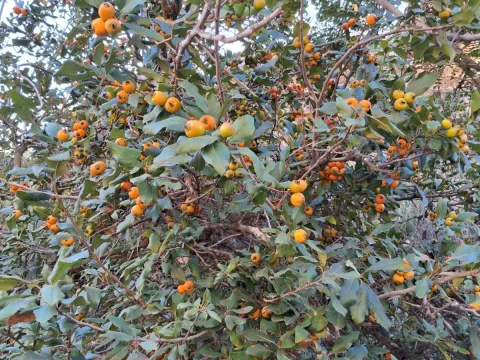
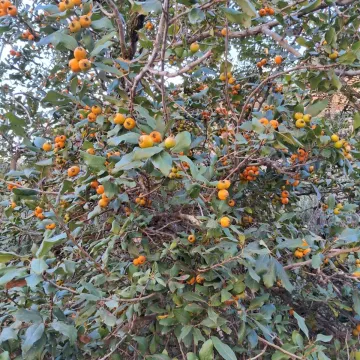
Botanically, Crataegus mexicana reaches heights of 5 to 8 meters. It features simple leaves and white blossoms that appear in clusters. The fruit is technically a pome, round or slightly flattened, turning from green to a vibrant yellow-orange when fully ripe. The flesh is dense and starchy, commonly used for its pectin content in various culinary preparations.
Cultivation requires careful site selection. The trees thrive in full sun and well-draining soil with a neutral to slightly acidic pH level. While tolerant of some drought once established, young trees must receive consistent irrigation to develop a robust root system. Pruning is essential to maintain tree structure, ensure adequate sunlight penetration to the center of the crown, and manage pest populations.
Commercially, Mexican hawthorn is vital for the processing industry. Its fruits are a staple ingredient in syrups, jellies, preserves, and traditional holiday drinks. In the orchard, common management issues include monitoring for aphids and preventing fungal diseases like powdery mildew through proper aeration and fungicide application when necessary. It is a resilient crop suitable for sustainable agriculture practices.
Photo gallery