Morden Hawthorn
Crataegus mordenensis
Description
The Morden Hawthorn (Crataegus mordenensis) is an ornamental hybrid tree or shrub belonging to the Rosaceae family. It originated from the Morden Research Station in Manitoba, Canada, and is renowned for its exceptional winter hardiness, making it a staple for gardeners in northern climates where other ornamental species may struggle.
This species is specifically valued for its aesthetic qualities rather than fruit production. Its primary distribution includes botanical gardens, urban parks, and private landscapes across temperate zones. Unlike wild species, it is a controlled hybrid intended to enhance the horticultural diversity of northern regions through its vibrant floral display.
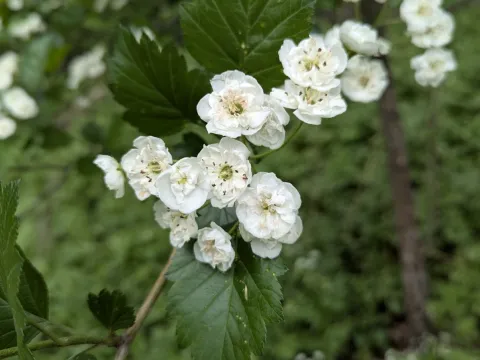
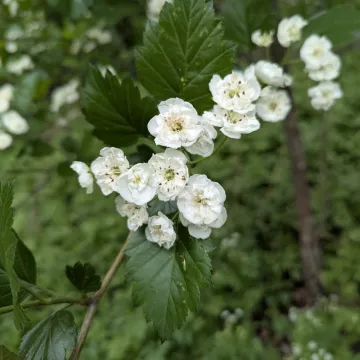
Botanically, Crataegus mordenensis features an open, spreading crown with lush green foliage. The cultivar 'Toba' is particularly notable, producing double-petaled flowers that transition from pale pink to a deeper rose color as they mature. The plant generally matures into a small tree, reaching heights of approximately 4 to 6 meters depending on growing conditions and pruning styles.
Agronomic requirements for this culture are relatively straightforward. It thrives in full sun, which is essential for maximizing flower production and maintaining plant vigor. It prefers well-drained, fertile soil with a neutral pH. Proper soil moisture management is key during the first few years of establishment; once matured, it exhibits decent drought tolerance, although consistent moisture leads to better growth.
In landscaping, the Morden Hawthorn is primarily utilized as an ornamental specimen, a focal point in flower beds, or as part of a decorative border. Because it produces very few to no fruits, it remains cleaner than wild hawthorn species and is less prone to the common diseases and insect pests that plague fruit-bearing hawthorns, such as hawthorn rust or certain lepidopteran infestations.
- Excellent cold tolerance for northern landscapes.
- Showy, long-lasting double flowers in spring.
- Low maintenance compared to fruit-bearing varieties.
- Suitable for urban environments with proper soil preparation.
Photo gallery