
Opaque hawthorn
Crataegus opaca
Description
Opaque hawthorn (Latin Crataegus opaca) is a perennial shrub species belonging to the Rosaceae family. As an agricultural crop, it is recognized for its unique ability to thrive in wetter ecological niches compared to other typical hawthorn species, making it a valuable subject for specialized orchard cultivation.
The species is native to the southeastern regions of North America, where it primarily populates floodplains and low-lying moist forest areas. This geographical origin dictates the plant's physiological needs, particularly its preference for soil moisture levels that would be detrimental to more drought-tolerant hawthorn varieties.
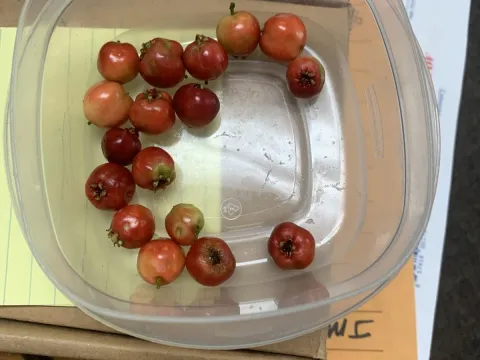
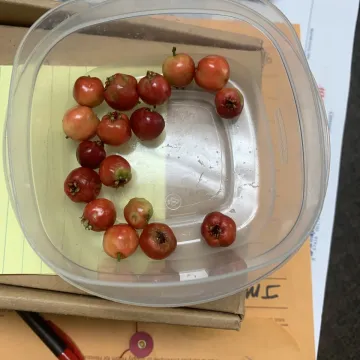
Botanically, Crataegus opaca is characterized by a dense, thorny structure and leathery leaves that provide excellent resistance to environmental stress. The fruits are typically dark-colored at maturity and are noted for their nutritional density. The plant's growth habit is relatively slow but persistent, requiring stable environmental conditions to reach optimal productivity.
Successful cultivation requires deep, nutrient-rich soils that possess good drainage capacity. Agricultural management should include consistent monitoring of soil moisture, seasonal application of nitrogen-phosphorus fertilizers to support fruit development, and structured pruning to ensure adequate light penetration throughout the crown, which is vital for disease prevention.
Key areas of economic and agricultural use include:
- Fruit production for the jam and juice industry due to the high polyphenol content.
- Development of dense, wildlife-friendly windbreaks and hedgerows.
- Use in restoration ecology for stabilizing riparian zones.
- Ornamental horticulture in areas with adequate water availability.
Common plant health challenges include susceptibility to fungal infections, such as rusts and powdery mildew, particularly in humid microclimates. Managing these involves a proactive approach: improving air circulation through pruning and utilizing targeted fungicides when necessary. Keeping the orchard floor clean of fallen debris is essential for breaking the life cycle of overwintering pests like leafrollers.
Photo gallery