Eastern hawthorn
Crataegus orientalis
Description
Eastern hawthorn (Crataegus orientalis) is a deciduous shrub or small tree belonging to the Rosaceae family. This resilient plant is highly valued for its aesthetic appeal and the nutritional properties of its fruits, which have been used traditionally for their health benefits and culinary versatility.
Native to the Eastern Mediterranean, Turkey, the Caucasus, and Crimea, this species is adapted to rocky, well-drained habitats. Its evolutionary history in these regions has equipped the plant with significant drought tolerance and the ability to thrive in poor, stony soils where other crops might struggle.
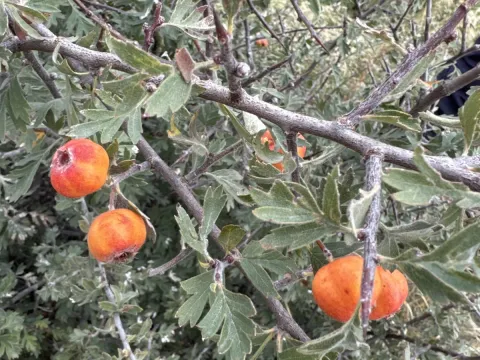
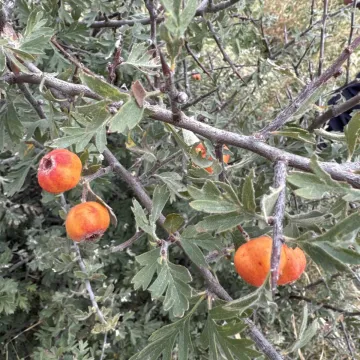
Botanically, the species is distinguished by its silvery-green, deeply lobed leaves and its pubescent, orange-red fruits. The plant typically exhibits a slow growth habit, contributing to its longevity and making it a stable component in various landscape and orchard designs.
Cultivation requirements for Crataegus orientalis center on full sun exposure and excellent soil drainage. While it is not particularly demanding, the plant benefits from neutral to slightly alkaline soil conditions and a temperate climate. Pruning is essential to maintain tree health and ensure adequate airflow within the canopy.
- Selection of sunny, well-ventilated planting sites.
- Regular monitoring for signs of aphids or leaf-rollers.
- Application of balanced mineral fertilizers in early spring.
- Pruning to remove dead or diseased branches.
The economic and agricultural utility of the Eastern hawthorn includes the production of fruits for preserves, jams, and medicinal infusions, as well as its use in ecological restoration projects. Common threats include fungal pathogens like rust, which are effectively managed through appropriate site selection and maintaining vigorous plant health.
Photo gallery