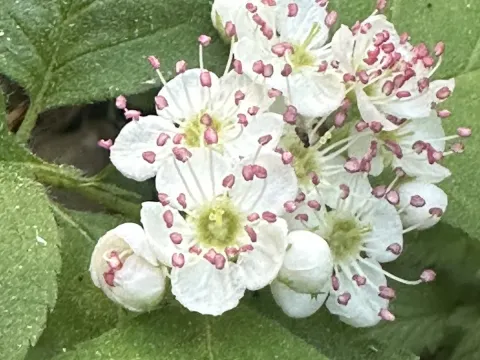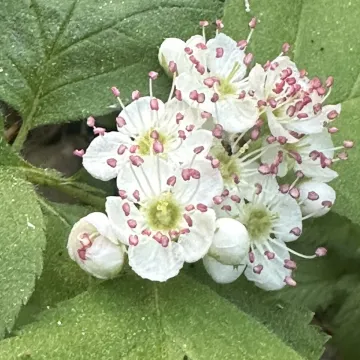

Red hawthorn
Crataegus sanguinea
Description
Red hawthorn (Crataegus sanguinea) is a long-lived shrub belonging to the Rosaceae family. This species is recognized for its high ecological resilience and significant medicinal value, making it a valuable crop for both commercial fruit production and agricultural landscape design.
The species originates from the forest-steppe zones of Siberia and East Asia. Its natural habitat includes riverbanks and forest margins, which has instilled in the plant a strong capacity for surviving extreme temperature fluctuations and varying water availability, making it an excellent candidate for temperate cultivation.
Botanically, this hawthorn is characterized by its thorny branches and dense, dark green foliage. The bright red, globose fruits appear in clusters, containing several seeds. The root system is deep and well-developed, ensuring stability and access to water even in less optimal soil conditions.
For successful cultivation, producers should provide well-drained soil and adequate exposure to sunlight. While the species is quite versatile, it reaches its peak productivity in fertile, moisture-retentive loams. Proper spacing is critical to ensure airflow and sunlight penetration, which helps reduce the risk of humidity-related pathogens.
The primary economic use is the pharmaceutical industry, where berries and flowers are harvested for cardiac therapeutic agents. Farmers must remain vigilant against pests such as aphids and leaf miners, as well as fungal infections like leaf rust and powdery mildew, which require integrated pest management practices for consistent yield.
- Planting: Best in early spring or late autumn during dormancy.
- Pruning: Essential for maintaining size and removing dead or diseased wood.
- Watering: Supplemental irrigation is recommended during extended droughts.
- Harvesting: Berries should be harvested only when fully red and firm.
Photo gallery