One-flower hawthorn
Crataegus uniflora
Description
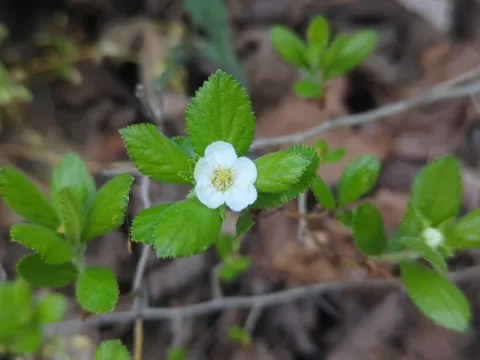
The one-flower hawthorn (Crataegus uniflora) is a deciduous shrub species belonging to the Rosaceae family. Known for its dwarf stature compared to other hawthorn varieties, it is highly valued by horticulturists for its compact habit and ecological adaptability in various garden environments.
The species is native to the eastern United States, where it thrives in sandy soils, rocky outcrops, and woodlands. Its range extends across different climate zones, allowing it to withstand moderate variations in temperature and moisture levels, provided it has adequate exposure to sunlight.
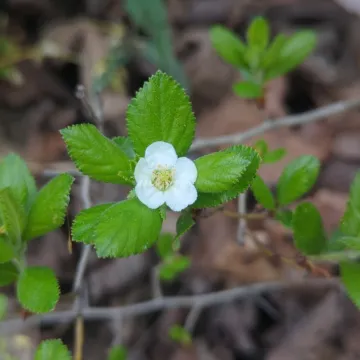
Botanically, Crataegus uniflora is distinguished by its small leaves, thorny branches, and solitary flowers, which typically bloom in spring. The fruit is a small, hard pome that changes color as it ripens, providing late-season food for wildlife and adding ornamental value to the landscape.
Successful cultivation requires attention to soil drainage and sun exposure. Growers should prioritize the following maintenance tasks:
- Regular pruning to remove dead wood and encourage dense growth.
- Monitoring for pests like aphids and scale insects.
- Applying a balanced fertilizer to support spring growth phases.
- Ensuring consistent moisture during the first year of establishment.
The agricultural and ornamental uses of this plant include the creation of dense hedging and natural borders. While relatively hardy, it is susceptible to typical Rosaceae diseases, including rust and leaf spot. Effective management relies on proper sanitation and ensuring adequate air circulation around the canopy to minimize fungal growth.
Photo gallery