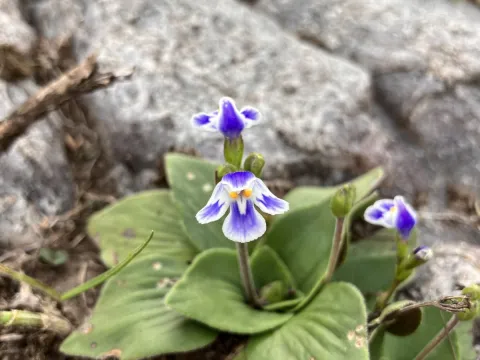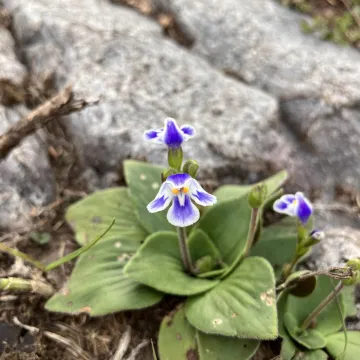
Craterostigma plantagineum
Craterostigma plantagineum
Description
Craterostigma plantagineum is a unique herbaceous plant belonging to the Linderniaceae family. It is widely recognized by botanists as a "resurrection plant" due to its extraordinary physiological capacity to tolerate extreme desiccation and return to full biological activity upon rehydration.
The native habitat of this plant spans across the tropical and subtropical regions of Africa and parts of the Arabian Peninsula. It is typically found in rocky outcrops and habitats characterized by seasonal rainfall, where it thrives in conditions that would cause the death of most typical vegetation.
From a botanical perspective, the plant forms a basal rosette of leaves. Its adaptive mechanism relies on the accumulation of specific sugars, like sucrose, which protect the cellular integrity of the plant during the process of drying. This allows the plant to lose up to 95% of its water content while remaining viable for long periods.
Cultivation requirements for this species are specific and demanding. It requires a highly porous, gritty substrate that ensures rapid drainage, as any waterlogging in the root zone is lethal to the plant. It prefers bright, indirect light and does not tolerate high organic matter content in the soil mix.
The agricultural and research value of Craterostigma plantagineum lies in its potential for crop improvement. Scientists are studying its genome to identify the genes responsible for desiccation tolerance, with the goal of developing drought-resistant staple crops that can cope with the increasing impacts of global climate change.
- Extreme drought tolerance through desiccation
- Basal rosette growth pattern
- Sensitivity to root-zone pathogens
- High research value for biotechnology
Photo gallery