Alpine hawksbeard
Crepis alpestris
Description
Alpine hawksbeard (Latin Crepis alpestris) is a perennial herbaceous plant belonging to the Asteraceae family. In agricultural terms, it is recognized as a significant element of alpine meadows, serving as a reliable source of forage for livestock in mountainous regions where traditional agricultural crops cannot thrive due to severe environmental constraints.
The natural habitat of this species is restricted to the alpine and subalpine zones of Central and Southern Europe. It has evolved to survive in high-altitude conditions, characterized by short growing seasons, thin soils, and exposure to intense solar radiation, making it a highly specialized plant within mountain ecosystems.
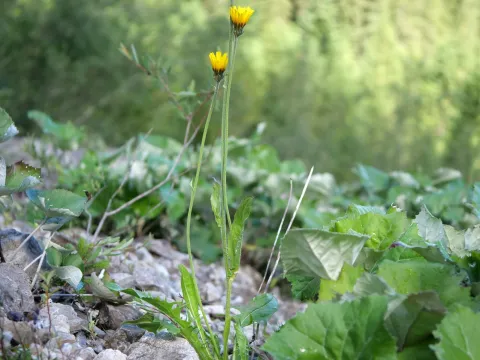
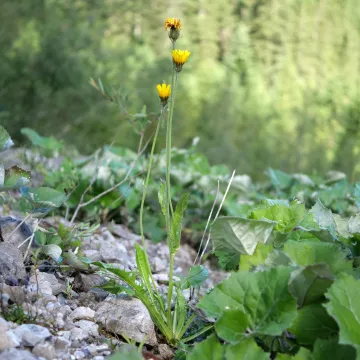
Botanically, the plant is characterized by a sturdy, often taproot system, which allows it to secure nutrients in rocky substrates. The stem is upright and pubescent, reaching heights of up to 50 cm, topped with yellow, dandelion-like flower heads. The foliage is primarily basal, forming a dense rosette that helps the plant conserve energy during the cold winter months.
Regarding agrotechnical requirements, Alpine hawksbeard thrives in well-drained, nutrient-rich, but naturally occurring mountain soils. It does not require intensive cultivation techniques; rather, it benefits from sustainable pasture management that ensures the longevity of the plant population. It is highly resistant to frost and drought conditions typical of mountain peaks.
The primary use of the plant is as high-quality forage, particularly favored by sheep and goats grazing on mountain pastures. While it is generally a hardy species, it can be susceptible to fungal diseases such as rust or powdery mildew if exposed to excessive stagnant moisture. Pests such as aphids may occasionally affect the growth cycle, but the plant remains a resilient component of alpine biodiversity.
Photo gallery