Golden hawksbeard
Crepis aurea
Description
Golden hawksbeard (Crepis aurea) is a perennial herbaceous species belonging to the Asteraceae family. Known for its distinct appearance and resilience, it is commonly found in alpine and subalpine meadows across Europe. From an agronomic perspective, it is a fascinating subject of study due to its adaptation to low-temperature environments and high-altitude habitats.
The plant originates from the mountainous regions of Central and Southern Europe. It thrives in open, rocky, or grassy alpine sites, typically at altitudes between 1000 and 2500 meters. These habitats are characterized by short growing seasons and well-drained soils, which dictate the specific ecological niche and biological requirements of the species.
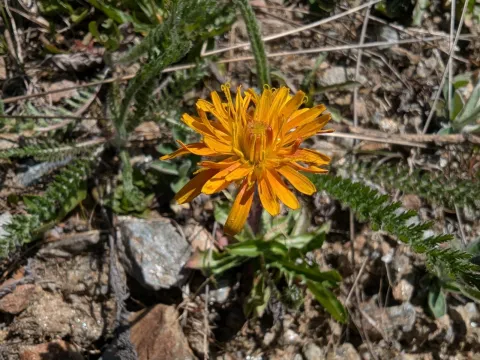
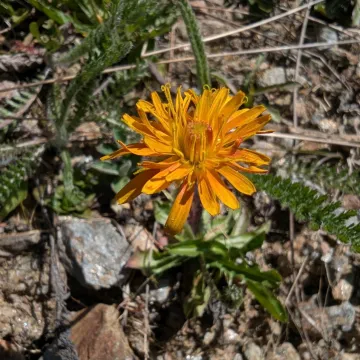
Botanically, Crepis aurea forms a dense rosette of leaves with erect, sparsely leaved stems. Its signature feature is the solitary flower head with golden-yellow florets, often shaded with reddish-brown or orange tones on the reverse side. The plant’s root system is adapted for stability and nutrient uptake in shallow, stony, or mountainous soil profiles.
Cultivation requirements for golden hawksbeard center on providing excellent drainage and exposure to full sun. It prefers neutral to slightly acidic soil conditions. In agricultural settings, it is best suited for rock gardens or wildflower meadow restoration projects. When grown from seed, providing a period of cold stratification significantly enhances germination rates and overall crop uniformity.
While not a major commercial crop, it is valued for its hardiness and ornamental potential. It serves as a natural component of mountain pastures, indirectly contributing to the biodiversity of grazing lands. Typical plant health issues include fungal diseases like powdery mildew in overly humid conditions and occasional infestations by aphids, which generally respond well to standard organic pest management practices.
Photo gallery