Crepis calycina
Crepis calycina
Description
Crepis calycina is a perennial herbaceous plant belonging to the Asteraceae family. This species is native to mountainous regions and exhibits remarkable adaptability to harsh environments, making it a subject of interest for agricultural research aimed at improving vegetation in high-altitude areas.
The geographic distribution of this species is primarily concentrated in the mountainous terrains of Central Asia. The plant is evolutionarily adapted to rocky substrates, steep slopes, and climates characterized by significant temperature fluctuations. These traits allow it to survive and thrive in ecological niches where typical field crops often struggle to establish.
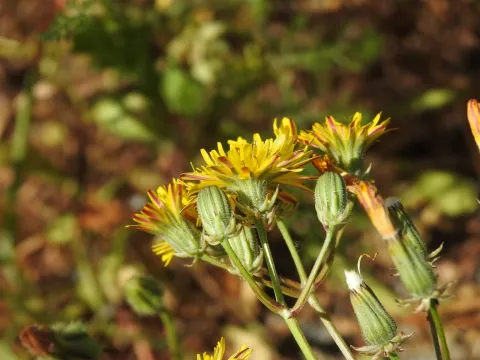
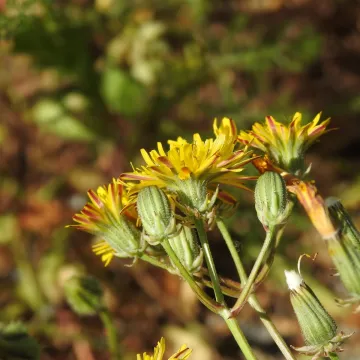
Botanically, the plant is distinguished by a strong taproot system that facilitates stability and nutrient uptake in shallow, rocky soils. The leaves form a basal rosette, while the stems support yellow flowering heads, typical of the Crepis genus. Seed production is efficient, ensuring the plant's natural spread across suitable landscapes through wind dispersal of its feathery achenes.
Regarding cultivation requirements, Crepis calycina prefers well-drained, porous soils with a neutral or alkaline pH. It is not particularly demanding in terms of additional irrigation, but it does require ample sunlight. In managed agricultural settings, maintaining soil health and preventing excessive competition from invasive weeds are the primary tasks for successful establishment and yield optimization.
In terms of agricultural utility, the plant is valued for its potential as a supplementary forage component in extensive pasture systems. It provides essential biomass that can be consumed by grazing livestock in regions where traditional grasses are less resilient. Typical pests include aphids and small insects that feed on the soft floral parts, while management of fungal diseases is essential during seasons with high humidity levels.
Photo gallery