Crepis commutata
Crepis commutata
Description
Crepis commutata is a perennial herbaceous plant belonging to the Asteraceae family. In the field of agronomy, this species is noted for its resilience and adaptability, making it an interesting subject for studies regarding the enhancement of permanent pastures and sustainable forage production in Mediterranean-type climates.
The plant originates from the Mediterranean basin, where it thrives in diverse environments ranging from dry hillsides to open meadows. Its natural distribution is a testament to its drought-tolerance and ability to persist in regions with prolonged dry summers, which are critical factors for crop sustainability in changing climate conditions.
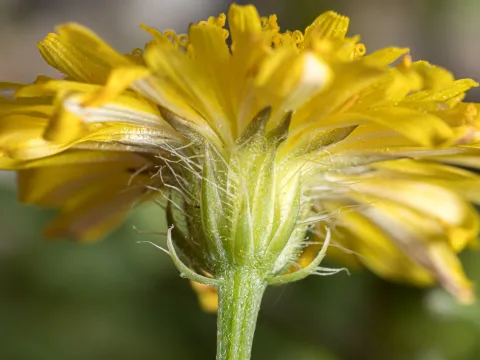
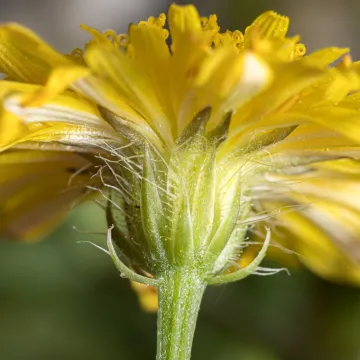
Botanically, Crepis commutata features a robust taproot system that facilitates moisture uptake from deep soil horizons. Its aerial parts include a branched stem and yellow, composite flowers arranged in heads, characteristic of the Chicorieae tribe within the Asteraceae. This architectural structure provides both structural integrity against wind and efficiency in light interception.
Regarding soil and agronomic requirements, the species performs optimally in well-drained, lime-rich substrates. It is a light-demanding plant, and successful cultivation requires open exposure to sunlight. Proper management practices involve maintaining a balance in nutrient levels, particularly emphasizing phosphorus for root development, and ensuring minimal competition from weeds during the seedling establishment phase.
The primary agricultural utility of this plant lies in its role as a forage crop, providing nutritious grazing material for livestock. Potential threats include common agricultural pests like aphids and soil-borne larvae, while fungal pathogens such as rusts or mildews may develop under conditions of poor ventilation or high humidity. Integrated pest management strategies, focusing on early detection and soil health, are effective in maintaining crop productivity.
Photo gallery