Stinking hawk's-beard
Crepis foetida
Description
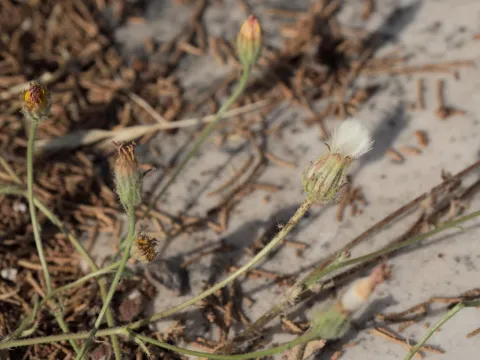
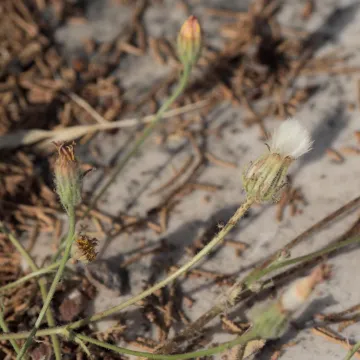
Stinking hawk's-beard (Latin: Crepis foetida) is an annual or biennial herbaceous plant belonging to the Asteraceae family. Its name comes from the strong, somewhat unpleasant odor produced by the glandular hairs on the plant, which is most noticeable when the foliage is bruised or crushed.
Originating from the Mediterranean region and parts of Europe, the plant has adapted to various habitats, including dry meadows, rocky slopes, and sandy soils. It thrives in temperate climates where there is ample sunlight and well-draining soil, making it a resilient species in its native environments.
The botanical structure of the plant features a basal rosette of leaves and an erect, branching stem that grows to a height of 60 cm. The flowers are small, yellow, and radiate from characteristic composite heads. As a member of the Cichorieae tribe, it produces achenes with a pappus, which are easily dispersed by wind.
From an agronomic perspective, Crepis foetida requires specific conditions for successful growth. It prefers loose, mineral-rich soils with a neutral pH. Proper soil preparation is essential to prevent moisture accumulation, as the roots are sensitive to waterlogging, which can lead to fungal infections during the early growth stages.
The economic value of this plant lies in its potential as an oilseed crop, as its seeds are rich in fatty acids. Additionally, it has historical significance in herbal medicine for its traditional use in topical preparations. Farmers interested in this crop should focus on weed control in the first few weeks to allow the plant to establish its canopy.
- High adaptation to sunny, arid environments.
- Low requirement for heavy nitrogen fertilization.
- Potential use in sustainable oil extraction processes.
Photo gallery