Crepis marschallii
Crepis marschallii
Description
Crepis marschallii is a perennial herbaceous plant belonging to the Asteraceae family. In an agricultural context, it is studied for its role in natural grasslands and its potential as a component of forage mixtures, contributing to the biodiversity and productivity of grazing areas.
The plant is native to the steppe and forest-steppe regions of Eastern Europe, where it has adapted to fluctuating climatic conditions. It is characterized by high environmental plasticity, allowing it to thrive in open habitats under varying moisture levels and temperature regimes.
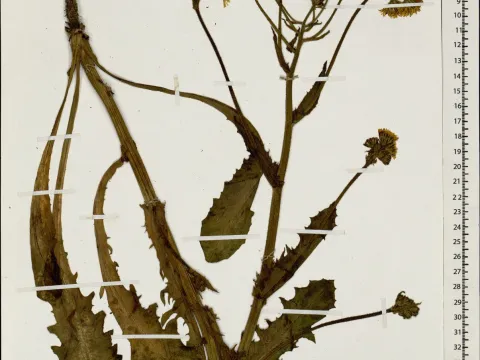
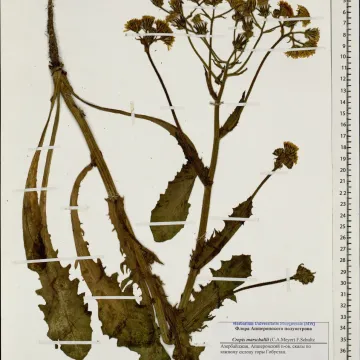
Botanically, it features an erect stem and a basal rosette of leaves. The inflorescence consists of yellow flower heads typical of the genus, ensuring efficient reproduction. Its root system is primarily taprooted, which enhances the plant's stability and survival in dry, nutrient-limited soils.
Optimal cultivation requires well-drained, fertile soils with a neutral pH. Agricultural management practices for this crop focus on initial weed control and ensuring adequate spacing to prevent competition. Due to its hardiness, the plant requires minimal input compared to intensive cereal crops.
The main uses of Crepis marschallii include soil stabilization in pastures and potential pharmacological research into its secondary metabolites. While it is generally resilient, growers should monitor for common pests such as aphids and manage fungal infections by ensuring proper drainage and avoiding excessive moisture in the root zone.
Photo gallery