Crepis purpurea
Crepis purpurea
Description
Crepis purpurea, commonly known as a member of the Asteraceae family, is a significant botanical subject with potential applications in agricultural forage management. This hardy perennial exhibits robust growth patterns, making it a subject of interest for sustainable grassland development. Its morphological structure allows it to maintain productivity in varied environments where soil quality might be suboptimal for traditional forage crops.
The native range of this species is spread across temperate regions, where it has historically adapted to diverse ecological conditions. Through selective adaptation, the plant has established itself in open meadows and secondary fields. Its ability to colonize areas with moderate rainfall makes it a resilient choice for farmers looking to diversify their forage base in challenging climates.
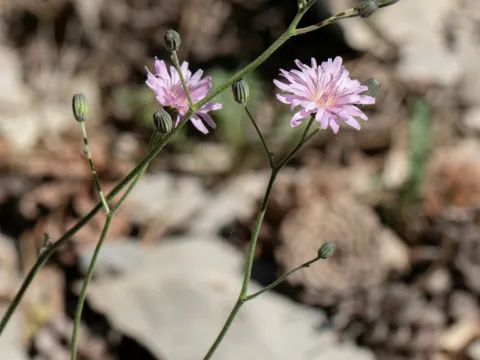
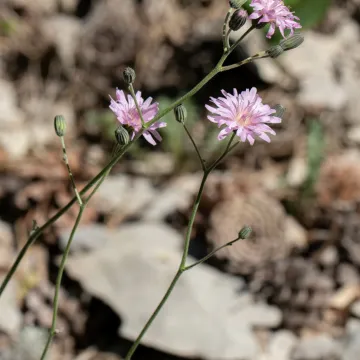
Botanically, Crepis purpurea is defined by its deep root system, which contributes to its high drought tolerance. The plant produces a basal rosette of leaves followed by sturdy, erect stems that bear flower heads. These structures facilitate effective pollination and seed dispersal, ensuring the longevity of the plant population within a field or pasture setting.
Cultivation requirements for this species are relatively straightforward: it performs best in well-drained, fertile soil with a neutral pH. While it is adaptable to different soil types, consistent moisture during the early establishment phase is critical for optimal yields. Standard agricultural practices, including mechanical weed control and appropriate spacing, are sufficient to promote vigorous stand development.
In terms of agricultural utility, the plant is primarily harvested for fodder, providing a necessary source of roughage for livestock. Typical pests and diseases include standard Asteraceae pathogens, such as powdery mildew and various species of aphids, which can be managed through integrated pest management strategies. Proper timing of harvest is essential to capture the highest nutritional value before the plant reaches full maturity.
Photo gallery