Crepis ramosissima
Crepis ramosissima
Description
Crepis ramosissima, commonly known in some regions as a branched hawksbeard, is a herbaceous plant belonging to the Asteraceae family. This species is gaining interest in agronomy for its potential as a supplementary forage crop and its resilience in various ecological niches. As a member of the Asteraceae family, it shares typical characteristics with other complex-flowered plants, yet it distinguishes itself through its specific branching architecture.
Originating from the temperate regions of Eurasia, this plant has adapted to survive in diverse environmental conditions, ranging from open steppes to forest edges. Its natural habitat suggests a high level of drought tolerance, which is a valuable trait for modern agricultural systems facing climatic instability. The plant is well-suited for regions with seasonal moisture availability and abundant sunlight exposure.
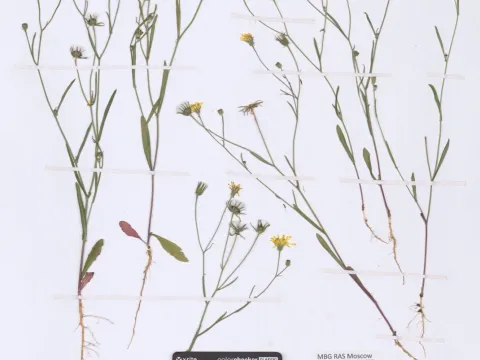
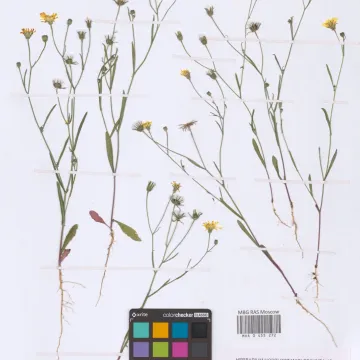
Botanically, the species is characterized by a robust taproot and a heavily branched stem, which allows for a high production of flowers and seeds. The leaves are typically serrated or dentate, forming a dense basal rosette before the stem elongates. The inflorescences consist of small, bright yellow flower heads that bloom during the mid-summer months, playing a role in local biodiversity and pollination networks.
Cultivation requirements for Crepis ramosissima focus on well-drained, light-textured soils such as sandy loams. The plant does not tolerate waterlogging, as excessive moisture often leads to root rot. Successful establishment requires a weed-free seedbed, as the seedlings are initially slow to grow and can be easily outcompeted by more aggressive weeds. Fertilization should be balanced, focusing on promoting root system development early in the season.
The agricultural utility of this plant lies primarily in its biomass production and chemical composition. It is often evaluated for inclusion in pasture mixes to enhance the nutritional variety for grazing livestock. Furthermore, it possesses secondary metabolites that have potential value in pharmaceutical research. Management of the crop involves monitoring for common pests like aphids and implementing integrated disease management to prevent fungal issues such as powdery mildew.
Photo gallery