Siberian hawksbeard
Crepis sibirica
Description
Siberian hawksbeard (Crepis sibirica) is a perennial herbaceous plant belonging to the Asteraceae family. This resilient species is widely recognized for its agricultural potential as a robust forage crop, capable of thriving in varied ecological conditions across its native Eurasian range.
The geographic distribution of Crepis sibirica includes Siberia, Central Asia, and parts of Europe, where it naturally inhabits forest edges and fertile meadows. Its ability to adapt to diverse soil types and environmental stresses has made it a subject of interest for sustainable agricultural systems focusing on perennial forage production.
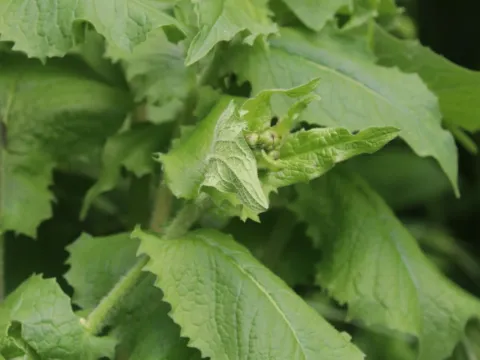
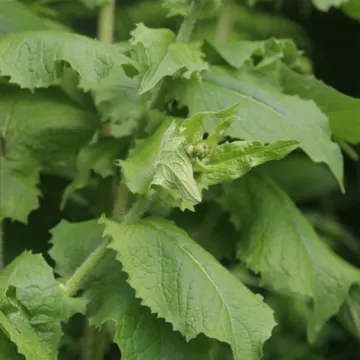
Botanically, the plant features a deep taproot and a strong, erect stem that can grow up to 150 centimeters tall. The rosette of large, lyrate-pinnatisect leaves provides a significant volume of green biomass. The plant produces yellow flower heads arranged in corymbose clusters, which are characteristic of this species.
Agricultural requirements focus on providing well-drained, nutrient-rich soil to ensure optimal development. While the crop is relatively low-maintenance, effective management involves careful seedbed preparation and early weed control. Once established, the perennial nature of the plant allows it to persist for several years, providing stable yields with minimal input.
- Excellent nutritional profile for livestock feeding.
- High winter hardiness and frost resistance.
- Effective regrowth capacity after mechanical harvesting.
- Soil conservation benefits through root system depth.
The primary agricultural use of Siberian hawksbeard is as a high-quality forage source for cattle and other ruminants. It is frequently incorporated into meadow seed mixtures to enhance the protein content and overall digestibility of pasture hay, contributing to improved animal health and productivity in livestock farming operations.
Pest and disease management is essential to maintain high yields. The crop may be susceptible to powdery mildew under conditions of high humidity and occasional aphid infestations during dry spells. Agronomists recommend implementing crop rotation practices and periodic monitoring to minimize economic damage and ensure long-term sustainability of the harvest.
Photo gallery