
Crossandra
Crossandra infundibuliformis (L.) Nees
Description
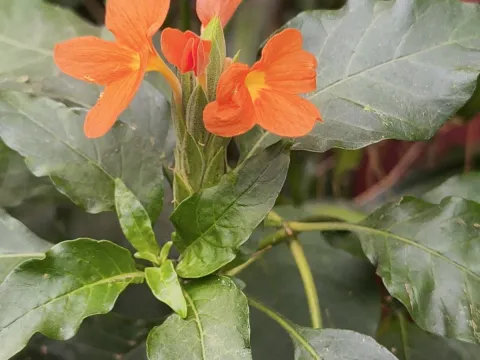
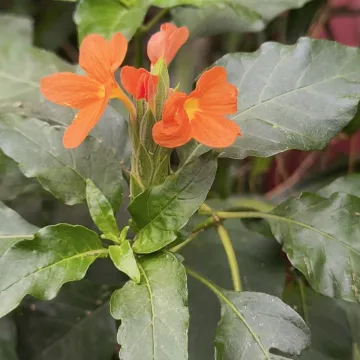
Crossandra infundibuliformis, commonly known as the firecracker flower, is a perennial evergreen subshrub belonging to the Acanthaceae family. This ornamental crop is widely recognized for its vibrant, funnel-shaped flowers arranged in striking spikes that provide long-lasting color in tropical and greenhouse settings.
Native to the tropical regions of India and Sri Lanka, this species thrives in environments characterized by high humidity and consistent warmth. Its natural habitat is the understory of forests, which dictates its preference for filtered light and well-draining, nutrient-rich soil media in agricultural and horticultural practices.
Botanically, the plant features glossy, dark green, ovate leaves and can reach heights of nearly a meter under optimal conditions. The inflorescence consists of tubular flowers that bloom sequentially from the base to the top of the spike, ensuring a prolonged decorative season throughout the spring and summer months.
Successful cultivation requires strict adherence to climate controls. The crop is sensitive to cold drafts and temperatures below 15°C, which can cause significant stress or leaf drop. Growers should prioritize the following:
- Maintaining a warm, humid environment with stable temperatures.
- Using a loose, peat-based soil mix with excellent drainage properties.
- Applying light, balanced liquid fertilizers every two weeks during the active growth phase.
The economic value of this plant lies primarily in the ornamental horticulture sector, where it is sold as a premium flowering potted plant or used in indoor landscaping. Major threats to production include infestations of spider mites and aphids, as well as fungal issues such as root rot, which typically occur when irrigation management is inadequate.
Photo gallery